
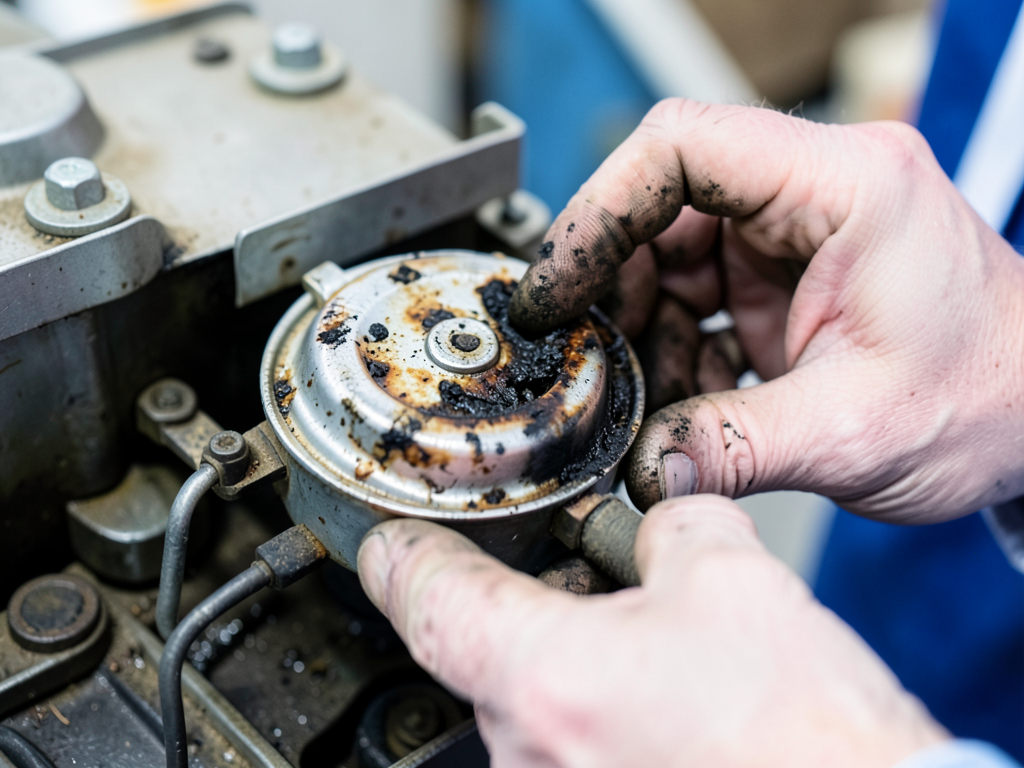
What that burning smell coming from your Mango HVAC vents actually is
A burning smell from your AC vents in Mango signals a potential safety hazard that needs immediate attention. This odor often indicates overheating electrical components, burning dust on heat strips, or a failing blower motor. Before you panic, turn off your system at the thermostat and circuit breaker. Then call (656) 237-5377 for emergency HVAC service from Peak HVAC. Our certified technicians diagnose and repair burning smell issues across Tampa’s humid climate where salt air and electrical surges can accelerate component failure. Troubleshooting AC Issues.
Immediate Safety Steps: Why You Should Turn Off Your HVAC System
The moment you detect a burning odor from your vents, your first priority is safety. Burning smells can indicate electrical shorts, overheating motors, or even fire risks. Here’s what to do immediately:
- Turn Off the Thermostat
Switch your AC to “off” at the thermostat to stop the system from running.. Read more about Financing Your New HVAC System with Low Monthly Payments in Greater Northdale.
- Cut Power at the Breaker
Locate your HVAC breaker in the electrical panel and flip it to “off.” This prevents further electrical damage.
- Check for Visible Smoke or Sparks
If you see smoke or sparks, evacuate immediately and call 911 before contacting Peak HVAC.
- Open Windows for Ventilation
If the smell is strong, open windows to clear the air while keeping the system off.
- Call Peak HVAC at (656) 237-5377
Our 24/7 emergency team serves Mango and all Tampa neighborhoods with rapid response for burning smell issues.
Identifying the Smell: What Does the Burning Odor Resemble?
The specific type of burning smell helps pinpoint the problem. Here are the most common odor descriptions and what they typically indicate:
Burning Dust (The ‘First Run’ Smell)
This is a dusty, musty odor that occurs when you first turn on your heat after months of disuse. In Florida’s warm climate, many homeowners rarely use their heat strips, so dust accumulates on electric heating elements. When activated, this dust burns off, creating a temporary smell that should dissipate within 30 minutes. If it persists, you may have a more serious issue. Florida Building Code.
Electrical Ozone or Gunpowder Smell
A sharp, metallic odor resembling ozone or gunpowder often indicates electrical problems. This smell comes from overheating wiring, failing capacitors, or burning circuit boards. In Tampa’s humid environment, salt air accelerates corrosion on electrical connections, making these failures more common. This smell requires immediate professional attention as it can lead to system failure or fire.
Burning Rubber or Plastic
A smell like burning rubber, plastic, or insulation typically points to mechanical issues. This often comes from a failing blower motor with worn bearings, a slipping belt, or melting wire insulation. The humid Florida climate puts extra strain on motors, causing bearings to wear faster. This smell usually intensifies when the system runs and indicates components are breaking down.
Common Causes of Burning Smells in Tampa AC Units
Tampa’s unique climate creates specific challenges for HVAC systems. Here are the most frequent causes of burning smells we encounter in Mango and surrounding areas:
Overheated Blower Motor
The blower motor circulates air through your home. In Florida’s heat, these motors work overtime and can overheat. Worn bearings create friction, generating heat that melts wire insulation and produces a burning rubber smell. The humid air also causes condensation that can short out motor windings. A failing motor often makes a squealing or grinding noise before the smell appears.. Read more about Why your air conditioner makes a loud rattling sound whenever it kicks on in The Heights.
Capacitor Failure
Capacitors store electrical energy to start motors and compressors. Tampa’s frequent lightning strikes and power surges damage these components. A failing capacitor causes motors to draw excessive current, creating heat and burning smells. You might notice your AC struggling to start or shutting down quickly. Capacitors typically last 5-7 years in Florida’s harsh climate compared to 10-12 years in cooler regions.
Electrical Wiring Issues
Corroded or loose electrical connections create resistance, generating heat that produces burning odors. Salt air from Tampa Bay accelerates corrosion on terminals and connectors. Rodents chewing on wires is another common cause, especially in homes near wooded areas. This creates a distinct ozone smell and poses serious fire risks.
Clogged Air Filters
A dirty air filter restricts airflow, causing components to overheat. The reduced airflow makes motors and heat strips work harder, generating excess heat. In Florida’s pollen-heavy season, filters can become clogged in just 30 days. This causes a dusty burning smell and can lead to complete system shutdown.
When to Call a Professional HVAC Technician
Not all burning smells require emergency service, but many do. Here’s how to decide when to call Peak HVAC at (656) 237-5377:
Emergency Situations
Call immediately if you notice any of these signs:
- Electrical ozone or gunpowder smell
- Visible smoke or sparks from vents or the outdoor unit
- Breaker trips repeatedly when you try to restart the system
- Acrid chemical smell that burns your eyes or throat
- System won’t turn on after the smell appears
Non-Emergency Situations
These situations warrant professional attention but aren’t immediate emergencies:
- Dusty smell that persists beyond 30 minutes
- Intermittent burning smell that comes and goes
- Musty odor with visible mold around vents
- System runs but produces weak airflow with burning smell
Preventing AC Burning Smells with Regular Maintenance
Most burning smell issues are preventable with proper maintenance. Here’s how to protect your Mango home’s HVAC system:
Monthly Filter Changes
Change your air filter every 30-45 days in Florida’s climate. Use pleated filters rated MERV 8-11 for optimal airflow and particle capture. Set calendar reminders or subscribe to automatic filter delivery services.
Annual Professional Tune-ups
Schedule professional maintenance twice yearly – once before cooling season and once before heating season. Our technicians check electrical connections, lubricate moving parts, test capacitors, and clean components that accumulate dust and debris.
Surge Protection
Install whole-home surge protectors to guard against Tampa’s frequent lightning strikes. Florida experiences more lightning strikes than any other state, and electrical surges can destroy capacitors and control boards.
Keep Outdoor Unit Clear
Maintain 2 feet of clearance around your outdoor condenser unit. Remove leaves, grass clippings, and debris that can restrict airflow and cause overheating. Trim back vegetation that grows rapidly in Florida’s warm, wet climate.
Understanding Tampa’s Impact on HVAC Systems
Mango’s location in Hillsborough County exposes HVAC systems to specific environmental stressors. The combination of high humidity, salt air from Tampa Bay, and frequent electrical storms creates a perfect storm for component failure.
Florida Building Code Section 553.50 requires HVAC equipment in coastal areas to meet corrosion-resistant standards. However, even with proper materials, the constant moisture exposure accelerates wear on electrical components. The latent heat load from Tampa’s 90% humidity forces systems to work harder, generating more heat and stress on motors and capacitors.
Lightning strikes are particularly problematic. Hillsborough County experiences an average of 10-15 lightning strikes per square mile annually, according to the National Weather Service. These strikes cause voltage surges that can instantly destroy capacitors and control boards, often producing the characteristic ozone smell. National Weather Service lightning safety.
Cost Considerations for Burning Smell Repairs
The cost to repair burning smell issues varies based on the specific problem. Here’s what Tampa homeowners typically invest in these repairs: Why Most Carrollwood Homeowners Choose Local HVAC Experts Over Big Box Brands.
| Problem | Typical Cost Range | Urgency Level |
|---|---|---|
| Capacitor Replacement | $150 – $350 | High |
| Blower Motor Replacement | $400 – $800 | High |
| Electrical Wiring Repair | $200 – $600 | Emergency |
| Heat Strip Cleaning/Repair | $150 – $400 | Medium |
| Complete Circuit Board Replacement | $300 – $900 | Emergency |
Most repairs can be completed same-day by our technicians who carry common replacement parts in their service vehicles. Peak HVAC offers transparent pricing with no hidden fees for emergency service calls in Mango and throughout Tampa.. Read more about Three HVAC repairs you should never try to DIY in your Sulphur Springs home.
Why Choose Peak HVAC for Burning Smell Issues
When you’re dealing with a burning smell from your AC vents, you need a contractor who understands Tampa’s unique HVAC challenges. Peak HVAC brings 15+ years of local experience to every service call.
Our NATE-certified technicians use advanced diagnostic tools to pinpoint the exact cause of burning smells. We don’t just replace parts – we identify the root cause to prevent future failures. Our service vehicles are stocked with common replacement components, allowing us to complete most repairs on the first visit.
We understand that burning smells create anxiety for homeowners. That’s why we offer 24/7 emergency service with clear communication about what we find and what needs to be done. Our upfront pricing means no surprises, and our work comes with a satisfaction guarantee.
Frequently Asked Questions
Is it safe to stay in my house if I smell something burning from the vents?
If you detect a burning smell, turn off your HVAC system immediately and call (656) 237-5377. While a brief dusty smell from first-time heat use is usually harmless, electrical or rubber burning smells indicate potential fire hazards. Don’t take chances with your family’s safety.
How quickly can Peak HVAC respond to a burning smell emergency?
We offer 24/7 emergency service throughout Mango and Tampa. Most emergency calls receive a response within 2 hours, often faster during non-peak times. Our technicians prioritize safety issues like burning smells to ensure rapid response.
Will my homeowner’s insurance cover HVAC burning smell repairs?
Standard homeowners insurance typically covers sudden electrical failures but not normal wear and tear. If the burning smell results from a power surge, lightning strike, or electrical fault, your policy may cover repairs. Check your specific policy or ask our technicians about documentation for insurance claims.
Can I prevent burning smells with DIY maintenance?
Regular filter changes and keeping the outdoor unit clear help prevent many issues, but burning smells often indicate electrical or mechanical problems that require professional diagnosis. Attempting DIY repairs on electrical components can be dangerous and may void your system warranty.
What should I do if the burning smell goes away on its own?
Even if the smell disappears, the underlying problem likely remains. Turn off your system and call (656) 237-5377 for inspection. Continuing to run a system with failing components can cause more extensive damage and higher repair costs.
Don’t wait for a small problem to become a major emergency. If you’re experiencing a burning smell from your AC vents in Mango, call Peak HVAC at (656) 237-5377 right now. Our expert technicians are ready to diagnose and repair your system safely and efficiently.
Learn more about our emergency AC repair services in South Tampa
Find out about our 24-hour service availability in New Tampa
You may also find this helpful. Why your Carrollwood Village furnace might be making a clicking sound this winter.
{
“@context”: “https://schema.org”,
“@type”: “BlogPosting”,
“headline”: “What that burning smell coming from your Mango HVAC vents actually is”,
“description”: “Is your Mango AC giving off a burning smell? Learn the urgent causes—from overheated motors to electrical shorts—and when to call Peak HVAC at (656) 237-5377 for immediate help.”,
“wordCount”: 1743,
“datePublished”: “2026-04-01T08:46:00.000Z”,
“dateModified”: “2026-04-01T08:46:00.000Z”,
“inLanguage”: “en-US”,
“mainEntityOfPage”: {
“@type”: “WebPage”,
“@id”: “https://peakhvactampa.com”
},
“publisher”: {
“@type”: “LocalBusiness”,
“name”: “Peak HVAC Tampa”,
“url”: “https://peakhvactampa.com”
},
“author”: {
“@type”: “Organization”,
“name”: “Peak HVAC Tampa”,
“url”: “https://peakhvactampa.com”
},
“image”: {
“@type”: “ImageObject”,
“url”: “https://peakhvactampa.com/wp-content/uploads/2026/03/what-that-burning-smell-coming-from-your-mango-hva-1.png”
}
}
{
“@context”: “https://schema.org”,
“@type”: “HVACBusiness”,
“name”: “Peak HVAC Tampa”,
“url”: “https://peakhvactampa.com”,
“address”: {
“@type”: “PostalAddress”,
“addressLocality”: “Tampa”
},
“areaServed”: {
“@type”: “City”,
“name”: “Tampa”
}
}
{
“@context”: “https://schema.org”,
“@type”: “FAQPage”,
“mainEntity”: [
{
“@type”: “Question”,
“name”: “Identifying the Smell: What Does the Burning Odor Resemble?”,
“acceptedAnswer”: {
“@type”: “Answer”,
“text”: “The specific type of burning smell helps pinpoint the problem. Here are the most common odor descriptions and what they typically indicate:”
}
},
{
“@type”: “Question”,
“name”: “Is it safe to stay in my house if I smell something burning from the vents?”,
“acceptedAnswer”: {
“@type”: “Answer”,
“text”: “If you detect a burning smell, turn off your HVAC system immediately and call (656) 237-5377. While a brief dusty smell from first-time heat use is usually harmless, electrical or rubber burning smells indicate potential fire hazards. Don’t take chances with your family’s safety.”
}
},
{
“@type”: “Question”,
“name”: “How quickly can Peak HVAC respond to a burning smell emergency?”,
“acceptedAnswer”: {
“@type”: “Answer”,
“text”: “We offer 24/7 emergency service throughout Mango and Tampa. Most emergency calls receive a response within 2 hours, often faster during non-peak times. Our technicians prioritize safety issues like burning smells to ensure rapid response.”
}
},
{
“@type”: “Question”,
“name”: “Will my homeowner’s insurance cover HVAC burning smell repairs?”,
“acceptedAnswer”: {
“@type”: “Answer”,
“text”: “Standard homeowners insurance typically covers sudden electrical failures but not normal wear and tear. If the burning smell results from a power surge, lightning strike, or electrical fault, your policy may cover repairs. Check your specific policy or ask our technicians about documentation for insurance claims.”
}
},
{
“@type”: “Question”,
“name”: “Can I prevent burning smells with DIY maintenance?”,
“acceptedAnswer”: {
“@type”: “Answer”,
“text”: “Regular filter changes and keeping the outdoor unit clear help prevent many issues, but burning smells often indicate electrical or mechanical problems that require professional diagnosis. Attempting DIY repairs on electrical components can be dangerous and may void your system warranty.”
}
},
{
“@type”: “Question”,
“name”: “What should I do if the burning smell goes away on its own?”,
“acceptedAnswer”: {
“@type”: “Answer”,
“text”: “Even if the smell disappears, the underlying problem likely remains. Turn off your system and call (656) 237-5377 for inspection. Continuing to run a system with failing components can cause more extensive damage and higher repair costs.”
}
}
]
}
{
“@context”: “https://schema.org”,
“@type”: “HowTo”,
“name”: “Emergency HVAC Safety Protocol”,
“step”: [
{
“@type”: “HowToStep”,
“position”: 1,
“name”: “Turn Off the Thermostat”,
“text”: “Switch your AC to \”off\” at the thermostat to stop the system from running.”
},
{
“@type”: “HowToStep”,
“position”: 2,
“name”: “Cut Power at the Breaker”,
“text”: “Locate your HVAC breaker in the electrical panel and flip it to \”off.\” This prevents further electrical damage.”
},
{
“@type”: “HowToStep”,
“position”: 3,
“name”: “Check for Visible Smoke or Sparks”,
“text”: “If you see smoke or sparks, evacuate immediately and call 911 before contacting Peak HVAC.”
},
{
“@type”: “HowToStep”,
“position”: 4,
“name”: “Open Windows for Ventilation”,
“text”: “If the smell is strong, open windows to clear the air while keeping the system off.”
},
{
“@type”: “HowToStep”,
“position”: 5,
“name”: “Call Peak HVAC at (656) 237-5377”,
“text”: “Our 24/7 emergency team serves Mango and all Tampa neighborhoods with rapid response for burning smell issues.”
}
],
“image”: “https://peakhvactampa.com/wp-content/uploads/2026/03/what-that-burning-smell-coming-from-your-mango-hva-1.png”
}
{
“@context”: “https://schema.org”,
“@type”: “BreadcrumbList”,
“itemListElement”: [
{
“@type”: “ListItem”,
“position”: 1,
“name”: “Home”,
“item”: “https://peakhvactampa.com”
},
{
“@type”: “ListItem”,
“position”: 2,
“name”: “Blog”,
“item”: “https://peakhvactampa.com/blog”
},
{
“@type”: “ListItem”,
“position”: 3,
“name”: “What that burning smell coming from your Mango HVAC vents actually is”
}
]
}
{
“@context”: “https://schema.org”,
“@type”: “Service”,
“serviceType”: “HVAC”,
“provider”: {
“@type”: “LocalBusiness”,
“name”: “Peak HVAC Tampa”,
“url”: “https://peakhvactampa.com”
},
“areaServed”: {
“@type”: “City”,
“name”: “Tampa”
},
“description”: “Is your Mango AC giving off a burning smell? Learn the urgent causes—from overheated motors to electrical shorts—and when to call Peak HVAC at (656) 237-5377 for immediate help.”
}