
Menu

Commercial Maintenance Agreements in Tampa – Eliminate Downtime and Control Operating Costs Year-Round

Peak HVAC Tampa delivers commercial HVAC maintenance plans that keep your facility compliant, reduce emergency repair costs, and prevent system failures during critical business hours through scheduled commercial planned maintenance agreements.

Slider Image 1
Slider Image 2
Slider Image 3
Slider Image 4
Slider Image 5
Slider Image 7
Slider Image 8
Slider Image 9
Slider Image 10
Slider Image 11

Tampa's Climate Punishes Commercial HVAC Systems Without Scheduled Maintenance

Tampa's combination of high humidity, salt air, and year-round cooling demands creates a perfect storm for commercial HVAC system degradation. Your rooftop units run 11 months per year, accumulating corrosion on coils, clogged condensate lines, and refrigerant leaks that compound over time. Without scheduled intervention, a single compressor failure can cost you thousands in emergency rates plus lost productivity during the hottest months.

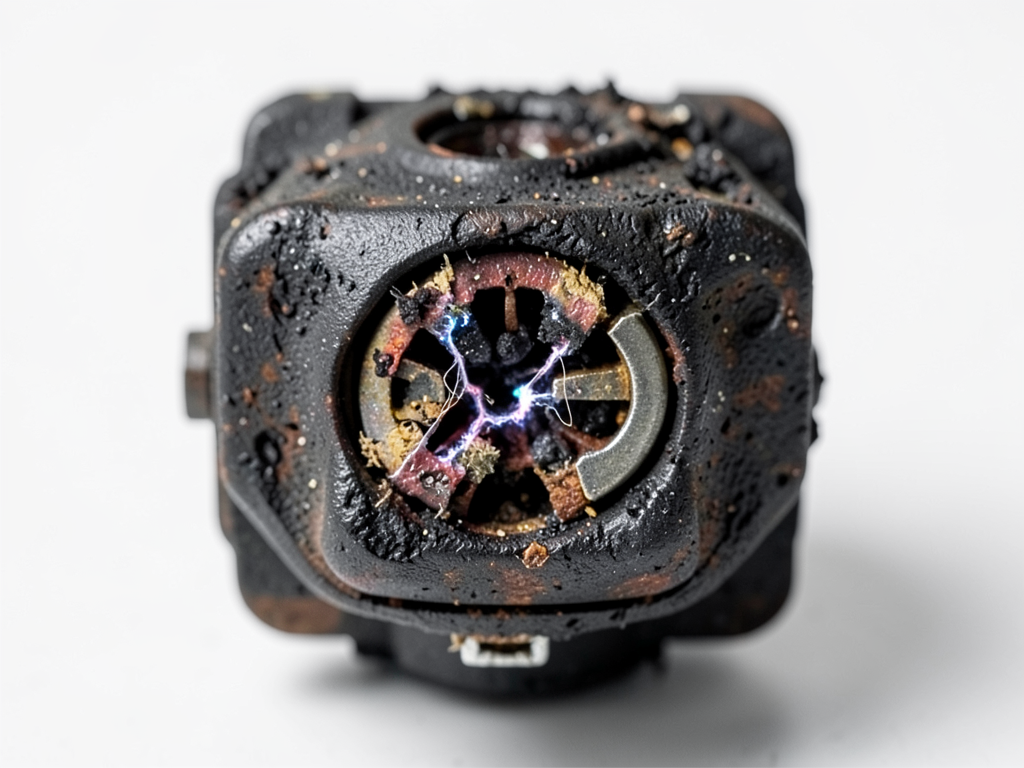
Most facilities react to failures instead of preventing them. A coil that loses 20% efficiency due to dirt buildup increases energy consumption without triggering alarms. Bearings wear silently until a blower motor seizes during a weekend, forcing premium overtime service calls. Electrical contactors pit and arc until they weld shut, taking entire zones offline during business hours.

Commercial HVAC service contracts address these predictable failure modes before they disrupt operations. Facilities near Tampa Bay face accelerated corrosion from marine air. Warehouses in Ybor City and downtown office towers deal with dust infiltration and urban pollution. Strip centers along Dale Mabry handle constant door traffic that overworks economizers and filtration systems.

HVAC preventive maintenance agreements shift your facility from reactive crisis management to predictable operational control. Scheduled inspections catch refrigerant leaks at 5% loss instead of 40%. Quarterly filter changes maintain design airflow. Annual electrical testing identifies failing contactors before they arc. Commercial HVAC maintenance plans turn your HVAC system from a liability into a managed asset with quantifiable return on investment through reduced energy consumption and eliminated emergency service premiums.

Tampa's Climate Punishes Commercial HVAC Systems Without Scheduled Maintenance
How Commercial Planned Maintenance Agreements Reduce Total Cost of Ownership

How Commercial Planned Maintenance Agreements Reduce Total Cost of Ownership

Peak HVAC Tampa structures commercial HVAC service agreements around predictive maintenance intervals, not arbitrary calendar dates. We analyze your equipment age, runtime hours, operating environment, and criticality to business operations. A restaurant kitchen's HVAC system requires different inspection frequency than a warehouse office. Data centers demand tighter temperature tolerances than retail spaces.

Our commercial planned maintenance agreements include infrared thermography on electrical connections to identify hot spots before component failure. We measure amperage draw on compressors and blower motors to detect bearing wear and capacitor degradation. Refrigerant subcooling and superheat readings verify system charge and identify restriction points in the refrigeration circuit. Combustible gas leak detection covers rooftop unit gas heating sections and makeup air units.

We document baseline performance metrics during the first inspection cycle. This establishes your system's efficiency fingerprint when operating correctly. Subsequent visits compare current readings against baseline data to identify performance drift. A 15% increase in compressor amperage signals internal wear. Rising suction pressure indicates restricted airflow or failing metering devices. Trending these metrics prevents catastrophic failures.

Commercial HVAC maintenance plans include priority emergency response. Agreement holders move to the front of the dispatch queue during peak season when non-contract facilities wait days for service. You receive after-hours contact numbers that reach technicians directly, not answering services. Parts inventory prioritization ensures critical components stay in stock for your specific equipment models.

Peak HVAC Tampa tailors commercial HVAC service contracts to your operational requirements. We schedule inspections during your slow periods to minimize disruption. Critical facilities receive quarterly visits. Standard commercial spaces operate effectively on semi-annual maintenance cycles. The agreement structure adapts to your budget and risk tolerance.

How Your Commercial HVAC Service Agreement Works

Commercial Maintenance Agreements in Tampa – Eliminate Downtime and Control Operating Costs Year-Round
01

System Audit and Agreement Structuring

We inventory all HVAC equipment including model numbers, serial numbers, and installation dates. This audit identifies equipment nearing end of service life and establishes maintenance frequencies based on manufacturer specifications and Tampa operating conditions. You receive a detailed scope of work document outlining exactly what gets inspected, tested, and serviced during each visit. The agreement structure matches your facility's operational criticality and budget parameters.
02

Scheduled Service Execution

Technicians arrive during predetermined maintenance windows with equipment-specific checklists. Each visit includes mechanical inspections, electrical testing, refrigerant analysis, and control system verification. We photograph conditions, record performance data, and note any components approaching failure thresholds. You receive detailed reports with measurement data and recommended actions ranked by urgency. Priority findings that affect immediate operation get addressed during the service visit when possible.
03

Continuous Performance Optimization

Each maintenance cycle builds a performance history for your equipment. We track efficiency trends, identify recurring issues, and adjust maintenance intervals based on actual system behavior. Annual agreement reviews compare your total HVAC costs year over year, documenting savings from reduced emergency calls and lower energy consumption. Equipment replacement recommendations include lifecycle cost analysis to support capital planning decisions. Your commercial HVAC service agreement evolves with your facility's changing needs.

Why Tampa Facilities Choose Peak HVAC for Commercial Service Agreements

Peak HVAC Tampa maintains commercial relationships with property management firms, facility directors, and business owners throughout Hillsborough County. We understand Tampa's building stock from 1980s low-rise office parks along the Veterans Expressway to modern mixed-use developments in Westshore and Channel District high-rises. Each building type presents distinct HVAC challenges that generic maintenance programs miss.

Our technicians carry Florida contractor licenses and maintain manufacturer certifications on major commercial equipment brands. We document all work to satisfy insurance requirements and provide compliance records for lease agreements that mandate preventive maintenance. Properties under triple-net leases receive detailed invoicing that separates routine maintenance from tenant-caused damage for accurate cost recovery.

We stock parts for commercial equipment common to Tampa facilities. Copeland scroll compressors, Honeywell control boards, and Carrier economizer assemblies sit on our trucks and warehouse shelves. This parts availability eliminates the multi-day delays that turn minor repairs into extended downtime. When specialized components require ordering, we cross-reference supplier networks to source parts within 24 hours instead of waiting on single-source manufacturer lead times.

Peak HVAC Tampa structures commercial HVAC service contracts without hidden escalation clauses or surprise fees. The agreement price includes all routine labor and standard materials. You know your annual HVAC maintenance cost in January, not in December after unexpected charges accumulate. We provide 30-day billing terms for established commercial accounts and accept purchase orders from government entities and large corporations.

Our commercial client retention rate exceeds 90% because we deliver measurable results. Facilities reduce emergency service calls by an average of 70% after the first year under agreement. Energy costs decrease 12-18% through improved system efficiency. Equipment service life extends 3-5 years beyond industry averages. These outcomes translate directly to your bottom line and make commercial HVAC maintenance plans a profit center, not an expense.

What Your Commercial Maintenance Agreement Includes

Flexible Scheduling Around Your Operations

We coordinate maintenance visits during your slow periods, off-hours, or weekends to avoid disrupting business operations. Retail facilities receive service before opening hours. Restaurants schedule maintenance during closure days. Office buildings coordinate work during evenings or weekends. You receive advance notice of upcoming service dates with confirmation 48 hours prior. Emergency priority response guarantees same-day dispatch for agreement holders when unexpected failures occur. Your facility moves ahead of non-contract service calls in our dispatch queue during peak summer months when demand exceeds capacity.

Comprehensive System Inspection and Testing

Each maintenance visit includes mechanical, electrical, and refrigeration system evaluation following manufacturer specifications and industry best practices. We measure voltage and amperage on all motors, inspect electrical connections with infrared thermography, verify refrigerant charge through superheat and subcooling analysis, clean condenser and evaporator coils, replace filters, lubricate bearings, inspect belts and pulleys, test safety controls and limit switches, verify economizer operation, clean condensate pans and drain lines, and calibrate thermostats. You receive a detailed report documenting all measurements, findings, and recommendations with photographic evidence of conditions requiring attention.

Predictable Performance and Reduced Energy Costs

Commercial HVAC service agreements deliver measurable financial returns through improved system efficiency and eliminated emergency premiums. Clean coils improve heat transfer efficiency by 15-25%, directly reducing compressor runtime and energy consumption. Properly charged refrigerant systems operate at design efficiency instead of working harder to achieve setpoint temperatures. Calibrated controls prevent simultaneous heating and cooling or excessive ventilation air that wastes energy. Facilities typically see 12-18% reduction in HVAC energy costs after the first year under preventive maintenance. This savings often exceeds the annual agreement cost, making the program self-funding while providing additional benefits of extended equipment life and improved indoor comfort.

Documented Compliance and Asset Management

Peak HVAC Tampa maintains complete service records accessible through online portals for property managers and facility directors. Each maintenance visit generates documentation including date of service, technician name and license number, work performed, measurements recorded, parts replaced, and recommendations for future action. This documentation satisfies lease requirements, insurance underwriting criteria, and due diligence requests during property transactions. We provide equipment lifecycle tracking that forecasts replacement timelines and supports capital expenditure planning. Annual agreement reviews include performance trend analysis and total cost of ownership calculations that quantify the financial impact of preventive maintenance versus reactive repair strategies.

Frequently Asked Questions

You Have Questions,
We Have Answers

What should be included in a maintenance agreement? +

A commercial maintenance agreement should include scheduled preventative inspections, equipment cleaning, filter replacements, refrigerant level checks, and electrical connection testing. Contracts should specify response times for service calls, parts coverage terms, and labor inclusions. For Tampa businesses, agreements must address high humidity issues like coil corrosion and condensate drain blockages. Define system types covered, visit frequency, and emergency service protocols. Include performance guarantees, contractor liability terms, and compliance with local Tampa building codes. Clear documentation of what triggers additional charges prevents disputes. Agreements should cover compressor maintenance, thermostat calibration, and ductwork inspections specific to Florida's cooling-dominated climate.

What is the difference between AMC and CAMC? +

AMC (Annual Maintenance Contract) covers labor and routine maintenance visits but excludes parts and major repairs. CAMC (Comprehensive Annual Maintenance Contract) includes labor, parts, and repairs beyond routine service. For Tampa commercial properties, CAMC offers better protection against unexpected compressor failures or refrigerant leaks common in high-usage environments. AMC works for newer systems needing minimal intervention. CAMC suits older equipment or operations requiring maximum uptime. The cost difference reflects parts coverage. Tampa businesses in hospitality or healthcare often choose CAMC to eliminate budget surprises during peak cooling season when system failures create immediate revenue or safety risks.

What is the 10 rule in maintenance? +

The 10 rule states that neglecting preventative maintenance costs ten times more in reactive repairs. For Tampa commercial HVAC systems, skipping a routine coil cleaning or filter change leads to compressor strain, refrigerant loss, and complete system failure. A 200-dollar maintenance visit prevents a 2000-dollar emergency repair. High humidity accelerates component degradation, making this rule especially relevant in Florida. Businesses that defer maintenance face downtime during critical periods, higher utility bills from inefficient operation, and shortened equipment lifespan. The rule quantifies why scheduled service protects your investment and keeps operating costs predictable year-round.

What are the 4 types of maintenance? +

The four maintenance types are preventative, predictive, corrective, and emergency. Preventative maintenance follows scheduled inspections to stop problems before they start. Predictive maintenance uses diagnostic tools and performance data to identify failing components early. Corrective maintenance fixes known issues during planned downtime. Emergency maintenance responds to unexpected breakdowns. Tampa commercial operations rely heavily on preventative work due to relentless cooling demands and salt air corrosion near coastal areas. Combining preventative and predictive strategies minimizes emergency calls. Corrective work should happen during off-peak hours to avoid business disruption. Effective agreements balance all four types based on equipment age and operational criticality.

What are the 4 P's of maintenance? +

The 4 Ps of maintenance are Planning, Preparation, Performance, and Progressive Improvement. Planning establishes schedules aligned with business cycles and Tampa's cooling season demands. Preparation ensures technicians arrive with correct parts, tools, and building access credentials. Performance means executing work efficiently without disrupting operations. Progressive Improvement uses data from each visit to refine procedures and predict future needs. For Tampa commercial properties, planning around hurricane season and summer heat peaks prevents system failures during high-demand periods. This framework transforms maintenance from reactive firefighting into a strategic operation that extends equipment life, reduces costs, and supports business continuity.

What are the 5 C's of a contract? +

The 5 Cs of contracts are Capacity, Consideration, Competency, Consent, and Lawful Purpose. Capacity confirms both parties can legally enter agreements. Consideration defines what each party exchanges (service for payment). Competency ensures parties understand terms. Consent means both agree without coercion. Lawful Purpose requires contracts comply with Florida statutes and Tampa codes. For commercial maintenance agreements, consideration details service scope versus cost. Competency matters when technical language describes HVAC work. Contracts must meet state contractor licensing requirements and local permit regulations. Understanding these elements protects Tampa businesses from unenforceable agreements or service provider disputes that disrupt operations.

What is a 1 year annual maintenance contract? +

A 1-year annual maintenance contract provides scheduled HVAC service for 12 months at a fixed price. Contracts typically include quarterly or bi-annual preventative visits, priority scheduling, and discounted emergency rates. For Tampa commercial properties, annual agreements lock in service costs despite seasonal demand spikes. Contractors inspect refrigerant levels, clean coils, test electrical connections, and replace filters during scheduled visits. The fixed annual fee eliminates budget surprises and ensures consistent service. Agreements renew automatically or require renegotiation based on terms. This structure works well for businesses needing predictable operating expenses and guaranteed system performance during Florida's intense cooling season.

What are common AMC terms? +

Common AMC terms include service frequency (quarterly or bi-annual visits), response time guarantees (24-hour or same-day), parts coverage exclusions, labor rate specifications, and contract duration. Terms define normal business hours versus after-hours rates. For Tampa commercial agreements, terms should address hurricane season preparations, refrigerant type specifications, and condensate drain maintenance. Renewal clauses, cancellation policies, and price escalation limits protect both parties. Terms specify which equipment falls under coverage and exclusions like abuse or unauthorized modifications. Clear payment schedules, invoicing procedures, and dispute resolution processes prevent misunderstandings. Well-defined terms align contractor obligations with Tampa business operational needs.

What are the two types of AMC? +

The two AMC types are non-comprehensive and comprehensive. Non-comprehensive covers labor and routine maintenance but excludes parts and major repairs. You pay separately for components like compressors, motors, or control boards. Comprehensive contracts include parts, labor, and repairs beyond routine service. For Tampa commercial operations, non-comprehensive works for newer systems with manufacturer warranties still active. Comprehensive suits older equipment or critical applications where downtime creates significant revenue loss. The choice depends on equipment age, budget predictability needs, and risk tolerance. Tampa businesses in retail or hospitality often choose comprehensive coverage to guarantee uninterrupted climate control during peak tourist season.

What is the 80 20 rule in maintenance? +

The 80 20 rule states that 80 percent of equipment failures come from 20 percent of components. Focus maintenance resources on critical parts like compressors, condensers, and control systems that cause most breakdowns. For Tampa commercial HVAC, high-humidity environments stress specific components disproportionately. Coils, drain pans, and electrical connections account for most service calls. Strategic maintenance targets these vulnerable areas rather than spreading effort equally across all parts. This approach maximizes uptime and ROI. Identifying your system's critical 20 percent through performance data lets you prevent the majority of failures efficiently, reducing emergency repairs and extending overall equipment life.

How Tampa's Coastal Environment Accelerates Commercial HVAC Degradation

Tampa's position on Hillsborough Bay creates unique challenges for commercial HVAC equipment that inland cities avoid. Salt-laden air from Tampa Bay and the Gulf of Mexico attacks aluminum fins on condenser coils, creating pinhole leaks in copper refrigerant tubing and corroding electrical connections. Facilities within three miles of water experience corrosion rates three times higher than properties in Brandon or Lutz. Commercial buildings in Westshore, Channel District, and along Bayshore Boulevard face the most aggressive salt air exposure. HVAC preventive maintenance agreements must include corrosion mitigation through coil cleaning, protective coatings, and accelerated inspection intervals to prevent premature equipment failure in these high-risk coastal zones.

Tampa's commercial HVAC systems operate under constant load from April through November, accumulating runtime hours that northern climates reach over multiple years. This extended cooling season reveals equipment deficiencies quickly and punishes deferred maintenance. Peak HVAC Tampa understands how Tampa's climate interacts with commercial building systems because we service facilities across every Tampa microclimate from Port Tampa Bay industrial complexes to Tampa International Airport's massive commercial infrastructure. Our commercial planned maintenance agreements reflect this local expertise through inspection frequencies and component focus areas specific to Tampa's coastal subtropical environment rather than generic national maintenance templates that miss regional failure modes.


HVAC Services in The Tampa Area

Discover Peak HVAC's primary service area and easily locate our business office on the map below. We are dedicated to serving our community with top-tier heating, ventilation, and air conditioning solutions, ensuring comfort and peace of mind. Feel free to visit our location for a personal consultation or simply use the map to understand our reach and how conveniently we can serve your home or business needs.

Address:
Peak HVAC Tampa, 100 Ashley Dr S #600, Tampa, FL, 33602

Additional Services We Offer

Our news updates

Latest Articles & News from The Blogs

A Homeowner Guide to Choosing Between Solar Fans and Ridge Vents in Brandon Brandon attics can reach 150°F during summer…

A Homeowner Guide to Choosing Between Solar Fans and Ridge Vents in Brandon

A Homeowner Guide to Choosing Between Solar Fans and Ridge Vents in Brandon Brandon attics can reach 150°F during summer…

Why Concrete Block Homes in Town 'n' Country Trap Heat and How to Fix It

Why Concrete Block Homes in Town ‘n’ Country Trap Heat and How to Fix It Concrete block homes in Town…

The Truth About HEPA Filtration Upgrades for Families Living Near MacDill Air Force Base

The Truth About HEPA Filtration Upgrades for Families Living Near MacDill Air Force Base Living near MacDill Air Force Base…

Contact Us

Call Peak HVAC Tampa at (656) 237-5377 to schedule your facility assessment and receive a customized commercial maintenance agreement proposal. Stop reacting to failures and start controlling your HVAC operating costs through scheduled preventive maintenance.