Menu

Carbon Monoxide Leak Detection in Tampa – Same-Day Emergency Response Available 24/7

Professional CO leak inspection and urgent carbon monoxide testing with technicians dispatched within 60 minutes. Peak HVAC Tampa stops the danger before it escalates with emergency carbon monoxide testing designed to protect Tampa families.

Slider Image 1
Slider Image 2
Slider Image 3
Slider Image 4
Slider Image 5
Slider Image 7
Slider Image 8
Slider Image 9
Slider Image 10
Slider Image 11

Carbon Monoxide Poisoning Does Not Wait, and Neither Do We

You cannot see carbon monoxide. You cannot smell it. By the time symptoms appear, the damage is already happening. Every minute counts when you suspect a leak in your home or business.

Tampa's year-round HVAC usage puts additional stress on heating systems, water heaters, and combustion appliances. These systems run longer cycles than in most climates. The result is accelerated wear on heat exchangers, exhaust venting, and combustion chambers. When these components fail, they fail quietly. A cracked heat exchanger in a gas furnace can turn a routine heating cycle into a life-threatening emergency. A backdrafting water heater can flood your home with CO while you sleep.

You may have noticed a yellow or flickering pilot light. You might be experiencing unexplained headaches, dizziness, or nausea that improves when you leave the house. Your carbon monoxide detector may have alarmed. These are not false positives. These are warnings.

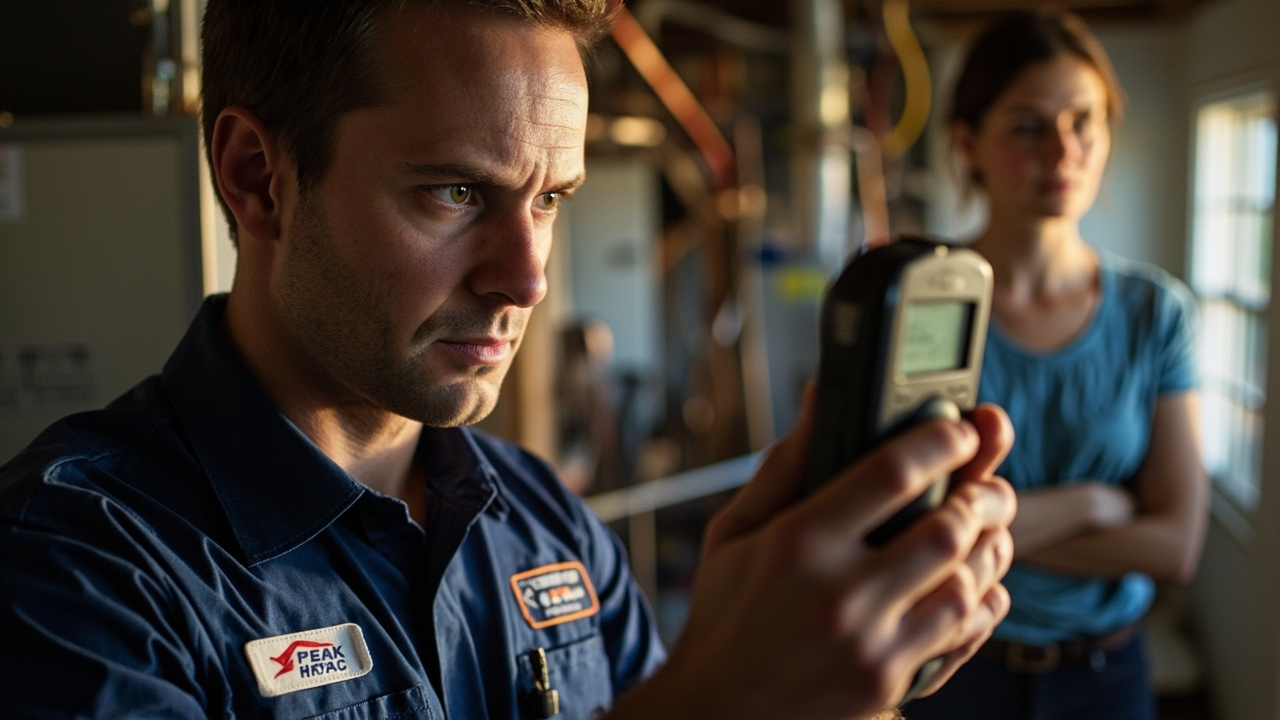
Peak HVAC Tampa provides emergency carbon monoxide testing with calibrated detection equipment accurate to 1 part per million. Our professional CO leak inspection locates the exact source, tests all fuel-burning appliances, and measures ambient CO levels in every room. We do not guess. We measure. We diagnose. We eliminate the threat.

Tampa's climate means HVAC systems are critical infrastructure, not seasonal equipment. When those systems malfunction, you need urgent carbon monoxide check capabilities from technicians who understand combustion science, ventilation dynamics, and pressure balancing. A CO gas detection service is not a DIY project. It requires professional instrumentation and the training to interpret readings correctly.

If you suspect a leak, evacuate immediately. Then call us.

Carbon Monoxide Poisoning Does Not Wait, and Neither Do We
How We Find the Source and Stop the Leak

How We Find the Source and Stop the Leak

Carbon monoxide leak testing is not a single test. It is a systematic analysis of every potential source in your property.

We begin with ambient air sampling using a calibrated digital analyzer that reads CO concentration in real time. We test the air near sleeping areas, living spaces, and mechanical rooms. We establish a baseline. Then we identify the anomalies.

Next, we perform combustion analysis on every fuel-burning appliance. Gas furnaces, water heaters, dryers, ranges, and pool heaters are all tested individually. We measure flue gas composition, draft pressure, and exhaust flow. A properly functioning gas appliance should have zero measurable CO in living spaces. We verify that standard is met.

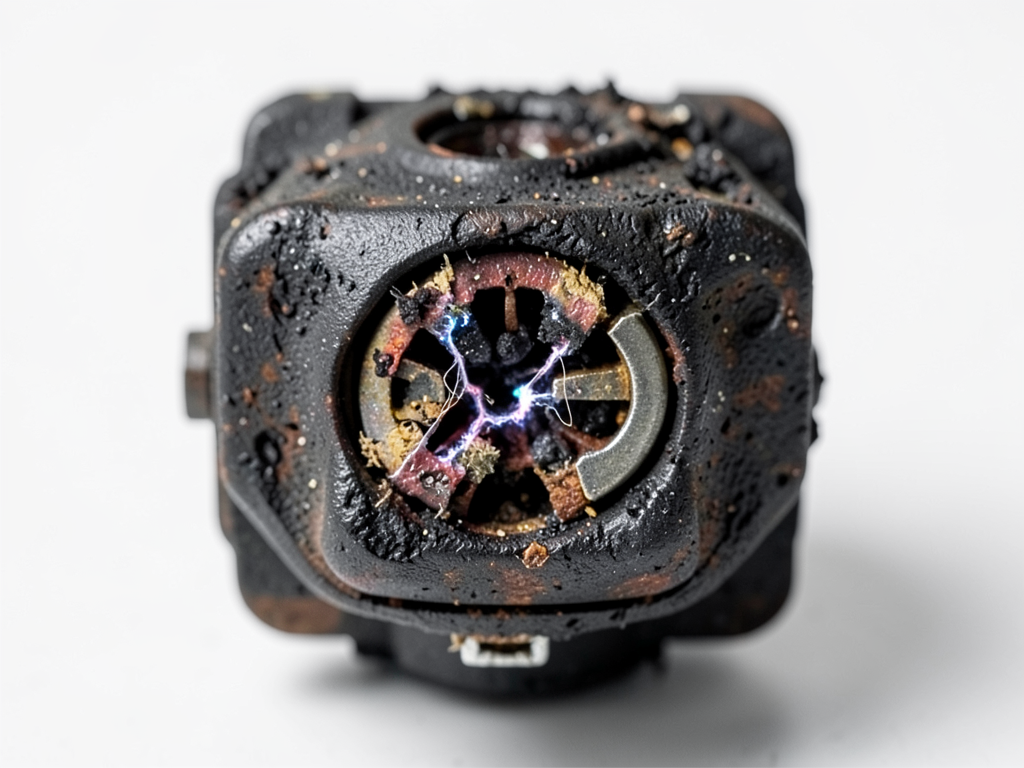
We inspect heat exchangers using a borescope camera to identify cracks or corrosion invisible to the naked eye. A heat exchanger failure is the most common source of CO in forced-air heating systems. Tampa's humidity accelerates metal corrosion, particularly in older systems with poor condensate drainage. We look for the stress fractures that precede catastrophic failure.

We check venting systems for blockages, disconnections, and improper termination. Birds nest in vent pipes. Roof repairs disconnect vent caps. Previous contractors use incorrect materials. We find these failures.

We test for backdrafting conditions using draft measurement and pressure differentials. Negative pressure in a home can reverse the flow of exhaust gases. Exhaust fans, dryer vents, and leaky ductwork can all contribute to backdrafting. We measure the airflow and correct the imbalance.

When we locate the source, we provide a written diagnostic report with CO concentration readings, appliance-specific findings, and actionable repair recommendations. You receive documentation of the threat level and the exact corrective action required.

What Happens During Your Emergency CO Inspection

Carbon Monoxide Leak Detection in Tampa – Same-Day Emergency Response Available 24/7
01

Immediate Dispatch and Safety Assessment

Within 60 minutes of your call, a certified technician arrives with portable CO detection equipment and combustion analysis tools. We assess immediate danger levels and confirm whether evacuation is necessary. You receive real-time air quality readings and a preliminary safety determination before any diagnostic work begins. If levels exceed 9 parts per million, we shut down suspect appliances immediately and ventilate the structure.
02

Full Appliance and Ventilation Testing

We systematically test every gas-fired appliance, measure exhaust flow at vent terminations, and inspect heat exchangers and combustion chambers. Using a digital combustion analyzer, we measure oxygen levels, carbon monoxide output, and flue gas temperature. We inspect vent pipes for obstructions, corrosion, or disconnections. We test for backdrafting caused by negative pressure. This phase typically requires 90 to 120 minutes depending on the number of appliances.
03

Source Identification and Corrective Action Plan

Once we locate the source, you receive a written diagnostic report with CO readings, appliance condition assessments, and repair recommendations. We explain the failure mode, the risk level, and the timeline for safe operation. If immediate repairs are possible, we provide same-day service. If replacement is required, we coordinate installation and provide temporary safety measures. You leave with documentation, a clear action plan, and a safe environment.

Why Tampa Property Owners Trust Peak HVAC for CO Emergencies

Carbon monoxide detection requires more than a handheld meter from a hardware store. It requires understanding combustion chemistry, pressure dynamics, and mechanical failure modes. Peak HVAC Tampa brings that expertise to every emergency call.

We carry professional-grade instrumentation calibrated to industry standards. Our combustion analyzers measure CO output with laboratory precision. Our borescope cameras allow visual inspection of heat exchangers without disassembly. Our draft gauges measure pressure differentials that indicate backdrafting conditions. These tools are not optional. They are the difference between guessing and knowing.

Tampa's building codes require specific venting configurations for gas appliances. Older homes in neighborhoods like Hyde Park and Seminole Heights were often retrofitted with central air systems that altered original combustion air dynamics. Modern high-efficiency HVAC systems create tighter building envelopes, increasing the risk of negative pressure and backdrafting. We understand these local variables because we work in them every day.

We have diagnosed CO leaks caused by improperly installed tankless water heaters, cracked heat exchangers in 15-year-old furnaces, and vent terminations damaged during roof replacements. We have found blockages caused by palm fronds, nesting materials, and failed vent caps. We know what fails in Tampa's climate and why.

When we clear a property, you receive written documentation of our findings. That documentation provides liability protection and verification for insurance claims. When we identify a hazard, you receive a clear corrective action plan with no upselling, no scare tactics, and no ambiguity.

Our emergency response protocol includes after-hours dispatch, weekend availability, and holiday service. CO leaks do not respect business hours. Neither do we.

You are not hiring a handyman with a $40 CO detector. You are hiring combustion analysis specialists with the equipment and training to identify the exact failure point and eliminate the threat.

What You Can Expect from Our CO Detection Service

Emergency Response Time

We dispatch a certified technician within 60 minutes of your call, seven days a week. Emergency carbon monoxide testing does not wait for the next available appointment. Our trucks carry portable CO analyzers, combustion testing equipment, and borescope cameras. We arrive prepared to diagnose and document the issue immediately. If you call after hours, you speak to a technician, not an answering service. We do not schedule callbacks for CO emergencies. We respond.

Comprehensive Diagnostic Process

Our professional CO leak inspection includes ambient air testing, individual appliance combustion analysis, heat exchanger inspection, vent system evaluation, and backdraft testing. We measure CO levels in parts per million at multiple locations throughout your property. We test oxygen depletion, flue gas temperature, and draft pressure. We provide a written report documenting every reading, every appliance tested, and every finding. You receive data, not opinions. The diagnostic process typically requires 90 to 120 minutes depending on property size and the number of fuel-burning appliances.

Source Elimination and Safety Verification

When we locate the CO source, we explain the failure mechanism, the risk level, and the corrective action required. If the repair is straightforward, we complete it on-site and retest to verify elimination. If replacement is necessary, we provide interim safety measures and coordinate installation. We do not declare a property safe until we measure zero CO in ambient air and verify proper combustion in all appliances. You receive a written clearance report documenting final readings and confirming your property is safe for occupancy.
Post-Inspection Safety Monitoring

After source elimination, we recommend annual combustion system maintenance to prevent recurrence. Tampa's humidity and year-round HVAC usage accelerate wear on heat exchangers and venting systems. Regular inspection catches problems before they become emergencies. We offer maintenance plans that include annual CO testing, combustion analysis, and heat exchanger inspection. You receive documentation of system performance and early warning of potential issues. Prevention is cheaper than emergency response.

Frequently Asked Questions

You Have Questions,
We Have Answers

How do you know if carbon monoxide is leaking? +

You cannot see or smell carbon monoxide, which makes detection difficult. Warning signs include a yellow or orange flame on gas appliances instead of blue, soot or staining around appliances, increased condensation on windows, and pilot lights that frequently blow out. Physical symptoms appear first: headaches, dizziness, nausea, confusion, and fatigue. If multiple people in your Tampa home feel sick simultaneously, especially during AC season when homes stay sealed, evacuate immediately. Install working carbon monoxide detectors on every floor. If your detector alarms or you suspect a leak, get out fast and call 911, then contact an HVAC professional for emergency inspection.

What's the most common household thing to cause a carbon monoxide leak? +

Malfunctioning furnaces cause most residential carbon monoxide leaks in Tampa homes. Cracked heat exchangers, blocked vents, and corroded flue pipes prevent proper combustion exhaust. Tampa's high humidity accelerates corrosion in aging HVAC systems, increasing leak risk. Gas water heaters rank second, especially older units with inadequate ventilation. Blocked chimneys and gas stoves without proper venting also contribute. Many Tampa homes use gas appliances year-round for water heating even when AC runs constantly. Annual HVAC inspections catch most furnace problems before they become dangerous. Never ignore rust stains, strange odors near appliances, or increased humidity around your heating equipment.

What are two warning signs of carbon monoxide in a house? +

Unexplained flu-like symptoms affecting everyone in your home signal potential carbon monoxide exposure. Headaches, nausea, dizziness, and fatigue that improve when you leave the house are classic warnings. Second, malfunctioning gas appliances show visible signs: yellow or orange flames instead of blue, excessive soot buildup, or pilot lights that extinguish frequently. Tampa homeowners often overlook these signs during summer when furnaces sit idle, but water heaters and gas ranges operate year-round. Pets may show symptoms first, acting lethargic or confused. If you notice either warning, evacuate immediately, call 911 from outside, and schedule emergency HVAC inspection before re-entering your home.

Should a carbon monoxide detector be placed high or low? +

Place carbon monoxide detectors at breathing level, typically on walls about five feet high or on bedroom ceilings. Carbon monoxide mixes evenly with air rather than rising like smoke, so high versus low placement matters less than proximity to sleeping areas. Install detectors outside each bedroom, on every floor including basements, and near attached garages in Tampa homes. Avoid placing detectors directly above gas appliances, in bathrooms with high humidity, or near windows and doors where airflow dilutes readings. Tampa's humidity can affect detector sensitivity, so replace units every five to seven years. Never rely on basement-only placement in multi-story homes. Every sleeping area needs protection.

How long can you live in a house with a carbon monoxide leak? +

You cannot safely live in a home with any carbon monoxide leak. Even low-level exposure causes cumulative damage over days or weeks, leading to neurological problems, heart issues, and death. High concentrations kill within minutes. Tampa homes sealed tight for air conditioning trap carbon monoxide faster than drafty older homes. Symptoms often mimic Florida heat exhaustion, causing dangerous delays in recognition. If you suspect a leak, evacuate immediately and call 911. Do not re-enter until emergency responders clear the home and a certified HVAC technician identifies and repairs the source. Carbon monoxide poisoning causes permanent brain damage even if you survive acute exposure.

Can you test carbon monoxide with your phone? +

No reliable phone apps detect carbon monoxide. Some products claim smartphone connectivity, but they still require separate hardware sensors. Your phone lacks the electrochemical or semiconductor sensors needed to measure carbon monoxide gas. Apps that promise detection through your phone's existing sensors are dangerous scams. Tampa homeowners must install proper UL-listed carbon monoxide detectors with audible alarms. Smart detectors can send phone alerts when they detect gas, but the detector itself does the actual sensing. Never rely on phone apps for life safety. Install hardwired or battery-powered detectors approved for residential use. Check batteries monthly and replace detectors every five to seven years.

What can falsely set off a carbon monoxide detector? +

High humidity, hydrogen gas from charging batteries, and methane can trigger false alarms in carbon monoxide detectors. Tampa's extreme humidity sometimes affects detector sensors, especially in garages or near bathrooms. Detector age causes most false alarms as sensors degrade after five years. Aerosol sprays, paint fumes, and cleaning chemicals near detectors can trigger readings. Dust buildup interferes with sensors. Never ignore an alarm assuming it's false. Treat every alarm as real, evacuate, and call 911. Once responders clear your home, have your HVAC system professionally inspected. Replace detectors older than seven years. Clean detector covers monthly to prevent dust-related false readings.

How long does it take for a stove to be on to cause carbon monoxide poisoning? +

A gas stove alone rarely produces dangerous carbon monoxide levels in Tampa homes with proper ventilation. Running all burners and the oven simultaneously in a sealed kitchen can create hazardous conditions within 30 minutes to two hours, depending on room size and air exchange. Blue flames indicate complete combustion producing minimal carbon monoxide. Yellow or orange flames signal incomplete combustion and immediate danger. Never use your stove or oven for space heating during winter cold snaps. Always use your range hood when cooking. Cracked heat exchangers in furnaces or blocked water heater vents pose far greater risk than stoves. If you smell gas or see discolored flames, evacuate and call for emergency service.

How can I test for CO in my home? +

Install UL-listed carbon monoxide detectors on every floor and outside sleeping areas. For active testing, hire a certified HVAC technician with professional-grade analyzers that measure carbon monoxide in parts per million. Tampa fire departments respond to detector alarms and can test levels with specialized equipment. DIY carbon monoxide test kits exist but lack the accuracy of professional monitors. Schedule annual furnace inspections before each heating season. Technicians check heat exchangers, flue pipes, and combustion efficiency. Visual inspection catches warning signs like soot buildup, rust stains, or discolored flames on gas appliances. Never attempt to test by running appliances and waiting for symptoms. That method kills people.

How quickly do you feel the effects of carbon monoxide poisoning? +

Carbon monoxide poisoning symptoms appear within minutes to hours depending on concentration levels. High concentrations cause dizziness, confusion, and loss of consciousness within minutes. Lower levels produce headaches, nausea, and fatigue within one to two hours of exposure. Tampa homeowners often mistake early symptoms for heat exhaustion or flu, delaying life-saving evacuation. Sleeping victims may never wake up as carbon monoxide prevents oxygen absorption at the cellular level. Children, elderly residents, and those with heart conditions feel effects faster. If multiple household members suddenly feel sick, especially with headaches and dizziness, evacuate immediately. Call 911 and seek emergency medical treatment even if symptoms seem mild.

Why Tampa's Year-Round HVAC Use Increases CO Leak Risk

Tampa's climate means your heating system, while used less than northern climates, still cycles throughout winter months. More importantly, your water heater, gas range, and pool heater run continuously. These appliances experience heat and humidity cycles that accelerate corrosion on heat exchangers, vent pipes, and combustion chambers. The salt air near Tampa Bay and the Gulf compounds this issue. A heat exchanger that might last 20 years in a dry climate can fail in 12 to 15 years here. Humidity also promotes mold growth in ductwork, which can obstruct combustion air intakes and create negative pressure conditions that cause backdrafting. Emergency carbon monoxide testing must account for these local failure modes.

HVAC Services in The Tampa Area

Discover Peak HVAC's primary service area and easily locate our business office on the map below. We are dedicated to serving our community with top-tier heating, ventilation, and air conditioning solutions, ensuring comfort and peace of mind. Feel free to visit our location for a personal consultation or simply use the map to understand our reach and how conveniently we can serve your home or business needs.

Address:
Peak HVAC Tampa, 100 Ashley Dr S #600, Tampa, FL, 33602

Additional Services We Offer

Our news updates

Latest Articles & News from The Blogs

Hunting Down Every Air Filter Return in Your Older Tampa Heights Bungalow \n\n Living in a historic Tampa Heights bungalow…

Hunting Down Every Air Filter Return in Your Older Tampa Heights Bungalow

Hunting Down Every Air Filter Return in Your Older Tampa Heights Bungalow \n\n Living in a historic Tampa Heights bungalow…

The Hidden Danger of Forgetting to Register Your New Fish Hawk HVAC Warranty

The Hidden Danger of Forgetting to Register Your New Fish Hawk HVAC Warranty Your new HVAC system represents a significant…

How Florida Lizards and Ants Can Actually Short Out Your Lutz AC Unit

How Florida Lizards and Ants Can Actually Short Out Your Lutz AC Unit Your AC suddenly stops working on a…

Contact Us

Do not wait if you suspect a carbon monoxide leak. Evacuate your property and call Peak HVAC Tampa immediately at (656) 237-5377. We dispatch certified technicians within 60 minutes, day or night. Your safety cannot wait for business hours.