
Crucial questions to ask a Tampa HVAC contractor before you agree to a replacement
Florida’s intense humidity and salt-air exposure make HVAC replacement a high-stakes decision for Tampa homeowners. You need a contractor who understands local building codes, TECO rebate programs, and the specific load calculations for our climate. This guide walks you through the critical questions to ask before signing any contract so you avoid costly mistakes and ensure your new system handles Tampa’s heat for years to come. TECO Home Energy Survey program.
Why asking the right questions matters in Tampa
The average AC unit in Florida lasts 10-12 years compared to 15-20 years in cooler climates. Tampa’s combination of high humidity, salt corrosion, and hurricane-force winds creates unique challenges. Without proper vetting, you risk installing a system that fails prematurely or doesn’t qualify for local utility rebates. The questions you ask now protect your investment and your comfort.. Read more about The pros and cons of installing a communicating HVAC system in your Lithia estate.
Essential qualifications for Florida HVAC professionals
Florida requires specific licensing and insurance that many out-of-state contractors don’t carry. Your contractor must hold a valid Florida Class A or Class B air conditioning contractor license issued by the Florida Department of Business and Professional Regulation. This license proves they’ve passed state exams and carry proper liability coverage.
Ask to see their Florida DBPR license number and verify it online at MyFloridaLicense.com. This single step prevents hiring unlicensed operators who may cut corners on permits or safety standards.
Insurance and liability coverage
Request proof of current workers’ compensation insurance and general liability coverage. Florida law requires contractors to carry both. Without workers’ comp, you could be liable if a technician gets injured on your property. Ask for certificates showing coverage of at least $500,000 per incident.
Technical certifications
NATE certification demonstrates advanced knowledge of HVAC systems. EPA 608 certification proves technicians can handle refrigerants legally. These aren’t optional extras—they’re requirements for proper system installation and maintenance in Florida’s climate.. Read more about Is a high SEER2 unit worth the extra cost for a home in Brandon.
5 red flags to watch for when hiring a Tampa AC company
Red flags often appear before the first handshake. Learning to spot them saves you from contractors who cut corners or disappear mid-project.
1. No physical business address
Legitimate contractors operate from verifiable locations. Be suspicious of companies that only provide a phone number or work from a residential address. Tampa’s building code requires contractors to maintain a physical office for permit processing and inspections.
2. Pressure for immediate decisions
High-pressure sales tactics often mask inferior products or unlicensed operations. Quality contractors provide detailed proposals and allow time for comparison. They understand that HVAC replacement is a major investment requiring careful consideration.
3. Cash-only discounts
Contractors offering significant cash discounts avoid taxes and insurance costs. This practice often indicates they’re operating outside legal requirements. The small savings isn’t worth the risk of improper installation or lack of warranty coverage.. Read more about Why the small ductwork in older Seminole Heights homes causes your AC to struggle.
4. Missing permits
Hillsborough County requires permits for all HVAC replacements. Contractors who suggest skipping permits are breaking the law and potentially creating unsafe conditions. The permit process ensures proper sizing, installation, and inspection by county officials.
5. Vague pricing
Quotes that don’t specify equipment brands, SEER ratings, or warranty terms leave room for hidden costs. Professional contractors provide line-item estimates showing exactly what you’re paying for and why.. Read more about Why Your Home Warranty HVAC Repair in Progress Village Might Be Costing You More in the Long Run.
Tampa-specific HVAC needs: humidity, salt air, and SEER2
Tampa’s climate creates demands that generic systems can’t meet. Understanding these factors helps you ask the right questions about equipment selection. How to Choose the Right New Air Conditioner for Your Westchase Home.
Humidity control requirements
Florida’s humidity often exceeds 80% in summer. Standard AC units struggle to remove this moisture, leading to mold growth and discomfort. Ask contractors about systems with enhanced dehumidification features or variable-speed compressors that run longer at lower speeds to remove more moisture.
Salt-air corrosion protection
Properties within five miles of Tampa Bay face accelerated corrosion from salt air. Ask about aluminum fins versus copper coils, and whether the contractor uses protective coatings on outdoor units. Some manufacturers offer coastal-specific models with enhanced corrosion protection.. Read more about Why whole-house surge protection is a must for new HVAC systems in lightning-prone Lutz.
SEER2 compliance and energy efficiency
Florida adopted SEER2 standards in 2023, requiring higher efficiency ratings for new installations. Ask about the SEER2 rating of proposed systems and how it compares to your current unit. Higher SEER2 ratings mean lower utility bills but may require different duct configurations.
Hurricane-resistant installation
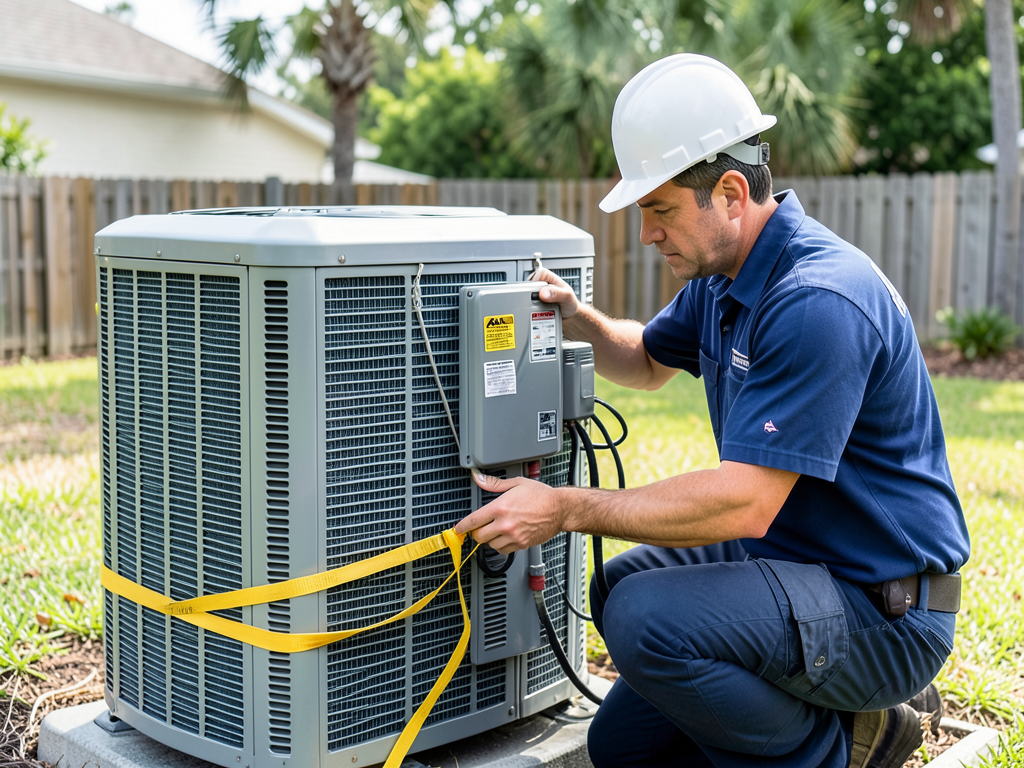
Hillsborough County building code requires hurricane tie-downs for outdoor units in wind zones. Ask how the contractor plans to secure your new system and whether they’ll install surge protectors to guard against lightning damage common in Florida.. Read more about How to Hide Your Outdoor AC Unit While Staying Compliant with Westchase HOA Rules.
Cost vs. value: what to expect from Tampa HVAC quotes
Understanding the factors that drive HVAC costs helps you evaluate quotes objectively. Several variables affect pricing beyond just the equipment itself.
System sizing and load calculations
Proper sizing requires a Manual J load calculation considering your home’s square footage, insulation, window orientation, and local climate data. Ask contractors to show you the calculation results. An oversized system cycles too frequently, reducing efficiency and comfort. Undersized systems run constantly, increasing wear and utility costs.
Permit and inspection fees
Hillsborough County charges permit fees based on system size and installation complexity. These typically range from $150 to $400 and are required for all replacements. Contractors should include these in their quotes and handle the permit process for you.
TECO and Duke Energy rebates
Tampa Electric offers rebates for high-efficiency HVAC installations through their Home Energy Survey program. Duke Energy provides similar incentives in their service areas. Ask contractors about available rebates and whether they’ll handle the paperwork. These rebates can reduce your net cost by $300 to $1,000. Who to Call for 24-Hour AC Service in New Tampa When the Temperature Starts Climbing.
Warranty coverage
Equipment warranties typically cover 5-10 years on parts and 1-2 years on labor. Ask about extended warranty options and what they cover. Some contractors offer 10-year parts and labor warranties, which provide better long-term protection than standard coverage.
10 crucial questions to ask your technician before signing
Armed with knowledge about qualifications and local requirements, you can now ask specific questions that reveal a contractor’s expertise and reliability.
1. What size system do you recommend and why?
Quality contractors base recommendations on Manual J calculations, not square footage alone. They should explain how factors like your home’s orientation, insulation levels, and window types affect sizing decisions.
2. Which equipment brands do you install and why?
Contractors should offer multiple quality brands and explain the differences in efficiency, reliability, and warranty coverage. Be wary of those who only install one brand or push the most expensive option without justification.
3. How will you handle the old equipment?
Proper disposal of old units requires refrigerant recovery and recycling. Ask about their disposal process and whether they’ll handle the paperwork for refrigerant recovery required by EPA regulations.
4. What’s included in the installation?
Ask for a detailed scope of work including electrical connections, condensate drain installation, thermostat setup, and system testing. Some contractors charge extra for items you might assume are included.. Read more about Using remote thermostat sensors to balance the temperature in your multi-story Westchase house.
5. How long will installation take?
Most replacements require one to two days. Ask about their timeline and whether they’ll need multiple visits. Understand what happens if issues arise during removal of the old system. Troubleshooting AC Issues.
6. Do you pull permits and schedule inspections?
Professional contractors handle all permitting and scheduling. Ask who pays for permits and whether they’ll be present for required inspections. This shows they’re operating legally and professionally.
7. What maintenance is required?
Ask about recommended maintenance schedules and whether they offer service agreements. Florida’s climate requires more frequent maintenance than cooler regions due to humidity and salt exposure.
8. How do you handle warranty claims?
Understand the process for addressing issues after installation. Ask who handles warranty claims and whether they charge service fees for warranty work. Some contractors charge trip fees even under warranty.
9. Can you provide references from recent installations?
Request contact information for three recent customers in your area. Quality contractors gladly provide references and may even show you completed installations.
10. What payment terms do you offer?
Ask about deposit requirements, payment schedules, and financing options. Be cautious of contractors requiring full payment upfront or those who only accept cash.
Making your final decision
After gathering quotes and asking questions, compare proposals based on more than just price. Consider the contractor’s responsiveness, professionalism, and willingness to explain technical details.
The lowest price often costs more in the long run through higher utility bills, frequent repairs, or premature replacement. Look for contractors who demonstrate understanding of Tampa’s specific challenges and offer solutions tailored to your home’s needs.
Trust your instincts. If something feels off during the sales process, it probably is. Quality contractors build trust through transparency and expertise, not high-pressure tactics.
Protecting your investment
Once you’ve selected a contractor, document everything in writing. The contract should specify equipment models, warranty terms, payment schedules, and completion dates. Keep copies of all permits, inspection reports, and warranty documents.
Consider having a third-party inspection after installation, especially for complex systems or if you have concerns about the contractor’s experience. This small investment can prevent costly issues later.
Remember that your relationship with the contractor doesn’t end at installation. Choose someone you’re comfortable calling for future maintenance or repairs. A good contractor becomes a long-term partner in maintaining your home’s comfort and efficiency.
Frequently Asked Questions
How long does a typical HVAC replacement take in Tampa?
Most residential replacements require one to two days depending on system complexity and whether ductwork modifications are needed. Contractors should provide specific timelines in their proposals.
What SEER rating do I need for Tampa’s climate?
Florida’s SEER2 requirements start at 14 for most systems, but 16+ provides better efficiency in our hot, humid climate. Higher ratings cost more upfront but reduce utility bills significantly over time.. Read more about How Ybor City landlords can reduce emergency AC repair calls from tenants.
Are permits really necessary for AC replacement?
Yes. Hillsborough County requires permits for all HVAC replacements to ensure proper sizing, installation, and safety compliance. Contractors who skip permits are operating illegally and may create unsafe conditions.
How can I verify a contractor’s license in Florida?
Visit MyFloridaLicense.com and enter the contractor’s license number. This verifies active status, insurance coverage, and any disciplinary actions against the license.
What maintenance does my new system need?
Florida’s climate requires bi-annual maintenance: spring check before cooling season and fall check before heating season if you have a heat pump. Regular filter changes every 30-60 days are also essential. HVAC Spring Hill.
Can I keep my old thermostat?
Most new systems work best with modern programmable or smart thermostats that optimize efficiency. Ask if your existing thermostat is compatible or if an upgrade would improve comfort and energy savings.
What if problems arise after installation?
Quality contractors offer service agreements and handle warranty claims directly. Ask about their response time for service calls and whether they charge diagnostic fees for warranty work.
How do I know if I need new ductwork?
Contractors should inspect existing ducts for leaks, proper sizing, and insulation. Leaky ducts can reduce system efficiency by 20-30%. Ask about duct testing and whether repairs or replacement would improve performance.
Are there rebates available for HVAC replacement?
Yes. TECO offers rebates through their Home Energy Survey program, and Duke Energy provides similar incentives. Contractors familiar with local programs can help you maximize available savings.
What’s the difference between a heat pump and AC with furnace?
Heat pumps provide both heating and cooling from one unit, making them more efficient in Florida’s mild winters. Traditional AC with furnace requires separate heating equipment and may be less efficient for our climate.
How do I compare quotes from different contractors?
Compare not just price but equipment specifications, warranty terms, permit handling, and contractor qualifications. The lowest price often means lower quality equipment or cutting corners on important details.
Should I get multiple quotes?
Yes. Get at least three quotes to understand the market range and evaluate different approaches. This helps you identify unusually high or suspiciously low bids and makes you a more informed consumer.
Ready to make the right choice?
Choosing the right HVAC contractor in Tampa requires careful research and asking the right questions. The questions in this guide help you identify qualified professionals who understand Florida’s unique climate challenges and building requirements.
Don’t let a rushed decision cost you thousands in repairs or inefficiency. Take time to verify licenses, compare detailed proposals, and ask about local rebates and building codes. Your comfort and investment deserve this attention to detail.
Call (656) 237-5377 today to schedule your inspection and get answers to all these questions from our experienced Tampa HVAC team. We’ll help you navigate the replacement process with confidence and ensure your new system handles Tampa’s heat for years to come.
You may also find this helpful. Comparing Trane and Carrier to see which handles Tampa humidity better.
You may also find this helpful. Comparing Rheem and Goodman for a Reliable Budget AC Replacement in East Lake-Orient Park.
{
“@context”: “https://schema.org”,
“@type”: “BlogPosting”,
“headline”: “Crucial questions to ask a Tampa HVAC contractor before you agree to a replacement”,
“description”: “Avoid costly mistakes. Learn 10 essential questions to vet Tampa HVAC contractors before replacing your system in Florida’s unique climate.”,
“wordCount”: 2126,
“datePublished”: “2026-05-06T07:26:00.000Z”,
“dateModified”: “2026-05-06T07:26:00.000Z”,
“inLanguage”: “en-US”,
“mainEntityOfPage”: {
“@type”: “WebPage”,
“@id”: “https://peakhvactampa.com”
},
“publisher”: {
“@type”: “LocalBusiness”,
“name”: “Peak HVAC Tampa”,
“url”: “https://peakhvactampa.com”
},
“author”: {
“@type”: “Organization”,
“name”: “Peak HVAC Tampa”,
“url”: “https://peakhvactampa.com”
},
“image”: {
“@type”: “ImageObject”,
“url”: “https://peakhvactampa.com/wp-content/uploads/2026/03/crucial-questions-to-ask-a-tampa-hvac-contractor-b-1.png”
}
}
{
“@context”: “https://schema.org”,
“@type”: “HVACBusiness”,
“name”: “Peak HVAC Tampa”,
“url”: “https://peakhvactampa.com”,
“address”: {
“@type”: “PostalAddress”,
“addressLocality”: “Tampa”
},
“areaServed”: {
“@type”: “City”,
“name”: “Tampa”
}
}
{
“@context”: “https://schema.org”,
“@type”: “FAQPage”,
“mainEntity”: [
{
“@type”: “Question”,
“name”: “1. What size system do you recommend and why?”,
“acceptedAnswer”: {
“@type”: “Answer”,
“text”: “Quality contractors base recommendations on Manual J calculations, not square footage alone. They should explain how factors like your home’s orientation, insulation levels, and window types affect sizing decisions.”
}
},
{
“@type”: “Question”,
“name”: “2. Which equipment brands do you install and why?”,
“acceptedAnswer”: {
“@type”: “Answer”,
“text”: “Contractors should offer multiple quality brands and explain the differences in efficiency, reliability, and warranty coverage. Be wary of those who only install one brand or push the most expensive option without justification.”
}
},
{
“@type”: “Question”,
“name”: “3. How will you handle the old equipment?”,
“acceptedAnswer”: {
“@type”: “Answer”,
“text”: “Proper disposal of old units requires refrigerant recovery and recycling. Ask about their disposal process and whether they’ll handle the paperwork for refrigerant recovery required by EPA regulations.”
}
},
{
“@type”: “Question”,
“name”: “4. What’s included in the installation?”,
“acceptedAnswer”: {
“@type”: “Answer”,
“text”: “Ask for a detailed scope of work including electrical connections, condensate drain installation, thermostat setup, and system testing. Some contractors charge extra for items you might assume are included.”
}
},
{
“@type”: “Question”,
“name”: “5. How long will installation take?”,
“acceptedAnswer”: {
“@type”: “Answer”,
“text”: “Most replacements require one to two days. Ask about their timeline and whether they’ll need multiple visits. Understand what happens if issues arise during removal of the old system. Troubleshooting AC Issues.”
}
},
{
“@type”: “Question”,
“name”: “6. Do you pull permits and schedule inspections?”,
“acceptedAnswer”: {
“@type”: “Answer”,
“text”: “Professional contractors handle all permitting and scheduling. Ask who pays for permits and whether they’ll be present for required inspections. This shows they’re operating legally and professionally.”
}
},
{
“@type”: “Question”,
“name”: “7. What maintenance is required?”,
“acceptedAnswer”: {
“@type”: “Answer”,
“text”: “Ask about recommended maintenance schedules and whether they offer service agreements. Florida’s climate requires more frequent maintenance than cooler regions due to humidity and salt exposure.”
}
},
{
“@type”: “Question”,
“name”: “8. How do you handle warranty claims?”,
“acceptedAnswer”: {
“@type”: “Answer”,
“text”: “Understand the process for addressing issues after installation. Ask who handles warranty claims and whether they charge service fees for warranty work. Some contractors charge trip fees even under warranty.”
}
},
{
“@type”: “Question”,
“name”: “9. Can you provide references from recent installations?”,
“acceptedAnswer”: {
“@type”: “Answer”,
“text”: “Request contact information for three recent customers in your area. Quality contractors gladly provide references and may even show you completed installations.”
}
},
{
“@type”: “Question”,
“name”: “10. What payment terms do you offer?”,
“acceptedAnswer”: {
“@type”: “Answer”,
“text”: “Ask about deposit requirements, payment schedules, and financing options. Be cautious of contractors requiring full payment upfront or those who only accept cash.”
}
},
{
“@type”: “Question”,
“name”: “How long does a typical HVAC replacement take in Tampa?”,
“acceptedAnswer”: {
“@type”: “Answer”,
“text”: “Most residential replacements require one to two days depending on system complexity and whether ductwork modifications are needed. Contractors should provide specific timelines in their proposals.”
}
},
{
“@type”: “Question”,
“name”: “What SEER rating do I need for Tampa’s climate?”,
“acceptedAnswer”: {
“@type”: “Answer”,
“text”: “Florida’s SEER2 requirements start at 14 for most systems, but 16+ provides better efficiency in our hot, humid climate. Higher ratings cost more upfront but reduce utility bills significantly over time.”
}
},
{
“@type”: “Question”,
“name”: “Are permits really necessary for AC replacement?”,
“acceptedAnswer”: {
“@type”: “Answer”,
“text”: “Yes. Hillsborough County requires permits for all HVAC replacements to ensure proper sizing, installation, and safety compliance. Contractors who skip permits are operating illegally and may create unsafe conditions.”
}
},
{
“@type”: “Question”,
“name”: “How can I verify a contractor’s license in Florida?”,
“acceptedAnswer”: {
“@type”: “Answer”,
“text”: “Visit MyFloridaLicense.com and enter the contractor’s license number. This verifies active status, insurance coverage, and any disciplinary actions against the license.”
}
},
{
“@type”: “Question”,
“name”: “What maintenance does my new system need?”,
“acceptedAnswer”: {
“@type”: “Answer”,
“text”: “Florida’s climate requires bi-annual maintenance: spring check before cooling season and fall check before heating season if you have a heat pump. Regular filter changes every 30-60 days are also essential. HVAC Spring Hill.”
}
},
{
“@type”: “Question”,
“name”: “Can I keep my old thermostat?”,
“acceptedAnswer”: {
“@type”: “Answer”,
“text”: “Most new systems work best with modern programmable or smart thermostats that optimize efficiency. Ask if your existing thermostat is compatible or if an upgrade would improve comfort and energy savings.”
}
},
{
“@type”: “Question”,
“name”: “What if problems arise after installation?”,
“acceptedAnswer”: {
“@type”: “Answer”,
“text”: “Quality contractors offer service agreements and handle warranty claims directly. Ask about their response time for service calls and whether they charge diagnostic fees for warranty work.”
}
},
{
“@type”: “Question”,
“name”: “How do I know if I need new ductwork?”,
“acceptedAnswer”: {
“@type”: “Answer”,
“text”: “Contractors should inspect existing ducts for leaks, proper sizing, and insulation. Leaky ducts can reduce system efficiency by 20-30%. Ask about duct testing and whether repairs or replacement would improve performance.”
}
},
{
“@type”: “Question”,
“name”: “Are there rebates available for HVAC replacement?”,
“acceptedAnswer”: {
“@type”: “Answer”,
“text”: “Yes. TECO offers rebates through their Home Energy Survey program, and Duke Energy provides similar incentives. Contractors familiar with local programs can help you maximize available savings.”
}
},
{
“@type”: “Question”,
“name”: “What’s the difference between a heat pump and AC with furnace?”,
“acceptedAnswer”: {
“@type”: “Answer”,
“text”: “Heat pumps provide both heating and cooling from one unit, making them more efficient in Florida’s mild winters. Traditional AC with furnace requires separate heating equipment and may be less efficient for our climate.”
}
},
{
“@type”: “Question”,
“name”: “How do I compare quotes from different contractors?”,
“acceptedAnswer”: {
“@type”: “Answer”,
“text”: “Compare not just price but equipment specifications, warranty terms, permit handling, and contractor qualifications. The lowest price often means lower quality equipment or cutting corners on important details.”
}
},
{
“@type”: “Question”,
“name”: “Should I get multiple quotes?”,
“acceptedAnswer”: {
“@type”: “Answer”,
“text”: “Yes. Get at least three quotes to understand the market range and evaluate different approaches. This helps you identify unusually high or suspiciously low bids and makes you a more informed consumer.”
}
},
{
“@type”: “Question”,
“name”: “Ready to make the right choice?”,
“acceptedAnswer”: {
“@type”: “Answer”,
“text”: “Choosing the right HVAC contractor in Tampa requires careful research and asking the right questions. The questions in this guide help you identify qualified professionals who understand Florida’s unique climate challenges and building requirements.”
}
}
]
}
{
“@context”: “https://schema.org”,
“@type”: “BreadcrumbList”,
“itemListElement”: [
{
“@type”: “ListItem”,
“position”: 1,
“name”: “Home”,
“item”: “https://peakhvactampa.com”
},
{
“@type”: “ListItem”,
“position”: 2,
“name”: “Blog”,
“item”: “https://peakhvactampa.com/blog”
},
{
“@type”: “ListItem”,
“position”: 3,
“name”: “Crucial questions to ask a Tampa HVAC contractor before you agree to a replacement”
}
]
}
{
“@context”: “https://schema.org”,
“@type”: “Service”,
“serviceType”: “HVAC”,
“provider”: {
“@type”: “LocalBusiness”,
“name”: “Peak HVAC Tampa”,
“url”: “https://peakhvactampa.com”
},
“areaServed”: {
“@type”: “City”,
“name”: “Tampa”
},
“description”: “Avoid costly mistakes. Learn 10 essential questions to vet Tampa HVAC contractors before replacing your system in Florida’s unique climate.”
}