
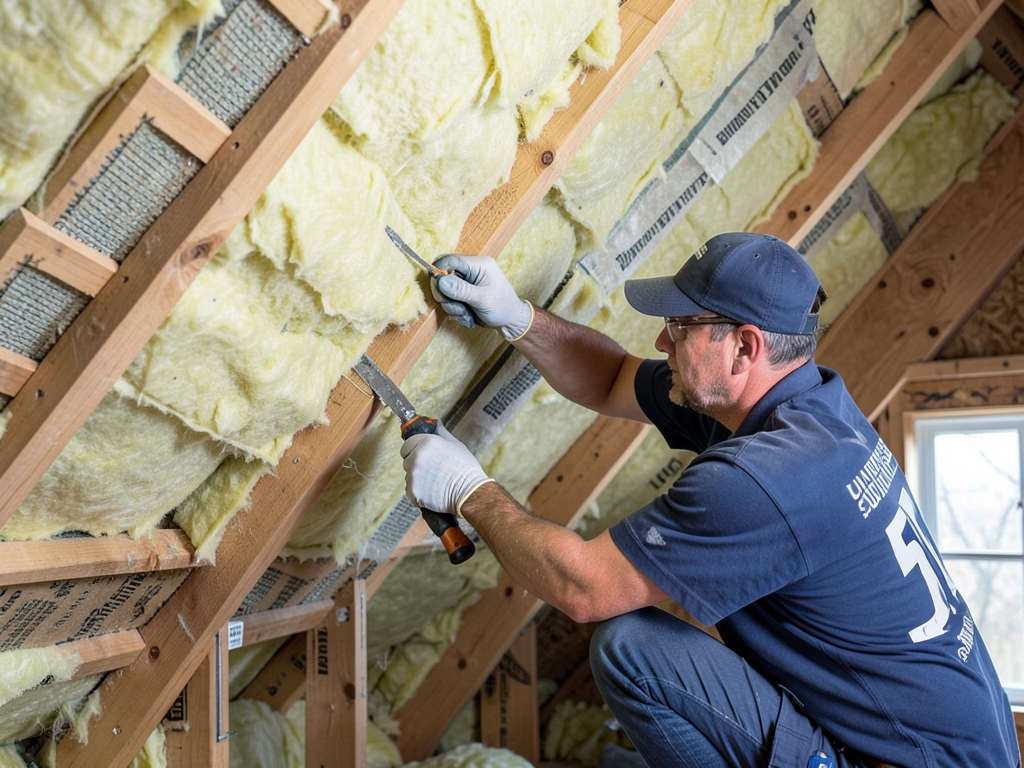
Why Better Attic Insulation is the Secret to Helping Your University Square AC
University Square homes built in the 1970s and 1980s often suffer from inadequate attic insulation that forces your air conditioner to work overtime. When summer heat pushes attic temperatures above 150°F, your AC system struggles to cool your living space, leading to higher energy bills and premature equipment failure. Proper attic insulation acts as a thermal barrier, keeping that extreme heat out of your home and reducing the workload on your AC unit by up to 30%.
How Attic Heat Affects Your AC Performance
Your air conditioner doesn’t just cool the air inside your home. It also fights against the constant heat gain from your attic space. In University Square’s hot, humid climate, attics can reach temperatures 30-50 degrees higher than the outside air. This creates a relentless heat load that your AC must overcome, especially during Tampa’s summer months when temperatures regularly exceed 90°F.
Without proper insulation, your AC runs longer cycles, experiences more wear on critical components, and struggles to maintain consistent indoor temperatures. The compressor works harder, the evaporator coil stays colder longer, and your energy consumption spikes. This continuous strain can reduce your AC’s lifespan by several years and lead to costly repairs.
Recommended R-Values for Tampa Homes
The Department of Energy recommends R-38 to R-60 insulation for attics in Florida’s Zone 2 climate. Many University Square homes were built with only R-19 or R-25 insulation, which falls far short of current energy efficiency standards. Upgrading to R-49 provides optimal performance for Tampa’s climate while qualifying for utility rebates. Department of Energy insulation guidelines.
Current Florida Building Code Section 502.1.3 requires minimum R-30 insulation in attics for new construction. Homes built before 2002 may not meet these standards. A simple way to check your insulation depth is to measure the exposed fiberglass or cellulose. If you see the joists, you need more insulation. Florida Building Code Energy Conservation.
Best Insulation Types for Tampa’s Climate
Blown-in fiberglass remains the most popular choice for Tampa attics due to its moisture resistance and cost-effectiveness. It provides excellent thermal performance while allowing your attic to breathe properly. The loose-fill material fills gaps and voids around obstacles like ductwork and wiring.. Read more about How to landscape around your Dover AC unit without choking the system.
Cellulose insulation offers higher R-values per inch but can absorb moisture in Tampa’s humid environment. When properly treated with borate for fire resistance, cellulose works well when combined with proper vapor barriers and attic ventilation.
Spray foam insulation provides superior air sealing and highest R-values but costs significantly more. Closed-cell spray foam also adds structural strength to your roof deck. However, improper installation can trap moisture and create mold problems in Florida’s climate.
Attic Ventilation Requirements
Proper attic ventilation works hand-in-hand with insulation to protect your home and AC system. Florida Building Code Section 1203.2 requires balanced ventilation systems with both intake and exhaust vents. Soffit vents allow cool air to enter while ridge vents or powered exhaust fans remove hot air.
Without adequate ventilation, even the best insulation cannot prevent heat buildup. Trapped heat can damage roof shingles, warp wood framing, and create conditions favorable for mold growth. The ventilation system should provide at least 1 square foot of net free area for every 150 square feet of attic space.
Radiant Barrier Benefits in Tampa
Radiant barriers reflect up to 97% of radiant heat before it enters your attic space. In University Square’s intense sun exposure, this can reduce attic temperatures by 20-30 degrees. When installed under roof decking or on attic rafters, radiant barriers complement traditional insulation by addressing heat transfer through radiation.
The combination of radiant barriers and proper insulation creates a comprehensive thermal envelope. This dual approach is particularly effective in Florida’s climate where solar heat gain represents a significant portion of cooling loads. Many homeowners report 10-15% reductions in cooling costs after installing radiant barriers. Why Most Carrollwood Homeowners Choose Local HVAC Experts Over Big Box Brands.
Extending Your AC System Lifespan
Reducing the thermal load on your air conditioner directly extends its operational life. When your AC doesn’t have to fight extreme attic heat, the compressor cycles less frequently and runs at lower pressures. This reduction in operating stress can add 3-5 years to your system’s expected lifespan.
Lower operating temperatures also reduce the likelihood of refrigerant leaks, capacitor failures, and contactor wear. The evaporator coil stays cleaner longer because the system doesn’t run as many extended cycles pulling humidity from the air. These factors combine to create fewer service calls and lower maintenance costs. Who to Call for 24-Hour AC Service in New Tampa When the Temperature Starts Climbing.
Energy Savings and ROI
Homeowners in University Square typically see 25-35% reductions in cooling costs after upgrading attic insulation to current standards. The investment usually pays for itself within 3-5 years through lower utility bills. Additional savings come from reduced AC repairs and extended equipment life.
TECO Energy offers rebates of up to $0.15 per square foot for attic insulation upgrades that meet Energy Star standards. Duke Energy provides similar incentives for qualifying improvements. These rebates can cover 20-30% of your insulation project costs.
Professional vs. DIY Installation
Professional installation ensures proper coverage, correct R-values, and compliance with building codes. Technicians use specialized equipment to achieve uniform density and proper ventilation baffling. They also identify and address existing moisture problems, electrical hazards, and structural issues before installing new insulation. Troubleshooting AC Issues.
DIY installation often results in uneven coverage, compressed insulation that loses R-value, and blocked ventilation paths. Without proper safety equipment, homeowners risk falls, exposure to old insulation materials, and electrical contact. Professional installers also provide documentation for utility rebates and building inspections.
Common Attic Problems in University Square Homes
Many University Square homes have original insulation that has settled over decades, reducing its effectiveness by 30-50%. Rodent damage, water intrusion from roof leaks, and compressed areas around HVAC equipment create thermal weak spots that force your AC to work harder.
Older homes often lack proper vapor barriers, allowing moisture from the living space to enter the attic. This moisture can condense on cool surfaces, leading to mold growth and reduced insulation effectiveness. Professional assessment includes checking for these hidden problems that impact your AC’s performance.
Maintenance Tips for Optimal Performance
Regular attic inspections help maintain your insulation’s effectiveness. Look for signs of moisture, pest activity, or settling that creates gaps. Keep soffit vents clear of insulation using proper baffles. Check that bathroom exhaust fans vent to the exterior rather than into the attic space.
Annual HVAC maintenance should include checking attic ductwork for leaks and proper insulation. Uninsulated or leaky ducts in hot attics can lose 20-30% of your cooled air before it reaches your living space. Sealing and insulating ductwork complements your attic insulation upgrade.
Call (656) 237-5377 for Your Free Attic Assessment
Don’t let inadequate attic insulation strain your AC system and drive up your energy bills. Our University Square HVAC specialists provide free attic assessments to identify insulation deficiencies and recommend cost-effective solutions. We’ll show you exactly how much you can save and what improvements qualify for utility rebates.
Call (656) 237-5377 today to schedule your inspection before the next heat wave hits. Our team understands the unique challenges of Tampa’s climate and can help you create a more comfortable, efficient home while extending your AC system’s lifespan.
Frequently Asked Questions
How do I know if my attic needs more insulation?
If you can see the joists in your attic floor, you need more insulation. Also, if your home feels drafty, has uneven temperatures between rooms, or your AC runs constantly during summer, inadequate insulation is likely the culprit.
What’s the best time of year to upgrade attic insulation?
Spring and fall offer the most comfortable installation conditions. However, insulation can be installed year-round. The energy savings begin immediately, so there’s no wrong time to improve your home’s efficiency. HVAC Spring Hill.
Will adding insulation make my house too warm in winter?
Proper insulation works year-round by slowing heat transfer in both directions. In winter, it keeps warm air inside your home. The same R-value that blocks summer heat also retains winter heat, improving comfort and efficiency throughout the year.
How long does professional attic insulation installation take?
Most homes in University Square can be upgraded in one day. The process includes removing old insulation if needed, addressing any moisture or pest issues, installing new insulation, and ensuring proper ventilation. Larger homes or those requiring extensive preparation may take 2-3 days.
Can I get rebates for attic insulation in University Square?
Yes. Both TECO and Duke Energy offer rebates for attic insulation upgrades that meet Energy Star specifications. Our team handles all the paperwork and ensures your project qualifies for maximum available incentives.
You may also find this helpful. Claiming Your 2026 Federal Tax Credits for a High-Efficiency HVAC in Forest Hills.
You may also find this helpful. The most common reasons for a sudden spike in your Wimauma electric bill.
{
“@context”: “https://schema.org”,
“@type”: “BlogPosting”,
“headline”: “Why Better Attic Insulation is the Secret to Helping Your University Square AC”,
“description”: “Discover how proper attic insulation in University Square homes can reduce AC strain, lower energy bills, and extend HVAC lifespan in Tampa’s extreme heat.”,
“wordCount”: 1463,
“datePublished”: “2026-03-20T09:42:00.000Z”,
“dateModified”: “2026-03-20T09:42:00.000Z”,
“inLanguage”: “en-US”,
“mainEntityOfPage”: {
“@type”: “WebPage”,
“@id”: “https://peakhvactampa.com”
},
“publisher”: {
“@type”: “LocalBusiness”,
“name”: “Peak HVAC Tampa”,
“url”: “https://peakhvactampa.com”
},
“author”: {
“@type”: “Organization”,
“name”: “Peak HVAC Tampa”,
“url”: “https://peakhvactampa.com”
},
“image”: {
“@type”: “ImageObject”,
“url”: “https://peakhvactampa.com/wp-content/uploads/2026/03/why-better-attic-insulation-is-the-secret-to-helpi-1.png”
}
}
{
“@context”: “https://schema.org”,
“@type”: “HVACBusiness”,
“name”: “Peak HVAC Tampa”,
“url”: “https://peakhvactampa.com”,
“address”: {
“@type”: “PostalAddress”,
“addressLocality”: “Tampa”
},
“areaServed”: {
“@type”: “City”,
“name”: “Tampa”
}
}
{
“@context”: “https://schema.org”,
“@type”: “FAQPage”,
“mainEntity”: [
{
“@type”: “Question”,
“name”: “How do I know if my attic needs more insulation?”,
“acceptedAnswer”: {
“@type”: “Answer”,
“text”: “If you can see the joists in your attic floor, you need more insulation. Also, if your home feels drafty, has uneven temperatures between rooms, or your AC runs constantly during summer, inadequate insulation is likely the culprit.”
}
},
{
“@type”: “Question”,
“name”: “What’s the best time of year to upgrade attic insulation?”,
“acceptedAnswer”: {
“@type”: “Answer”,
“text”: “Spring and fall offer the most comfortable installation conditions. However, insulation can be installed year-round. The energy savings begin immediately, so there’s no wrong time to improve your home’s efficiency. HVAC Spring Hill.”
}
},
{
“@type”: “Question”,
“name”: “Will adding insulation make my house too warm in winter?”,
“acceptedAnswer”: {
“@type”: “Answer”,
“text”: “Proper insulation works year-round by slowing heat transfer in both directions. In winter, it keeps warm air inside your home. The same R-value that blocks summer heat also retains winter heat, improving comfort and efficiency throughout the year.”
}
},
{
“@type”: “Question”,
“name”: “How long does professional attic insulation installation take?”,
“acceptedAnswer”: {
“@type”: “Answer”,
“text”: “Most homes in University Square can be upgraded in one day. The process includes removing old insulation if needed, addressing any moisture or pest issues, installing new insulation, and ensuring proper ventilation. Larger homes or those requiring extensive preparation may take 2-3 days.”
}
},
{
“@type”: “Question”,
“name”: “Can I get rebates for attic insulation in University Square?”,
“acceptedAnswer”: {
“@type”: “Answer”,
“text”: “Yes. Both TECO and Duke Energy offer rebates for attic insulation upgrades that meet Energy Star specifications. Our team handles all the paperwork and ensures your project qualifies for maximum available incentives.”
}
}
]
}
{
“@context”: “https://schema.org”,
“@type”: “BreadcrumbList”,
“itemListElement”: [
{
“@type”: “ListItem”,
“position”: 1,
“name”: “Home”,
“item”: “https://peakhvactampa.com”
},
{
“@type”: “ListItem”,
“position”: 2,
“name”: “Blog”,
“item”: “https://peakhvactampa.com/blog”
},
{
“@type”: “ListItem”,
“position”: 3,
“name”: “Why Better Attic Insulation is the Secret to Helping Your University Square AC”
}
]
}
{
“@context”: “https://schema.org”,
“@type”: “Service”,
“serviceType”: “HVAC”,
“provider”: {
“@type”: “LocalBusiness”,
“name”: “Peak HVAC Tampa”,
“url”: “https://peakhvactampa.com”
},
“areaServed”: {
“@type”: “City”,
“name”: “Tampa”
},
“description”: “Discover how proper attic insulation in University Square homes can reduce AC strain, lower energy bills, and extend HVAC lifespan in Tampa’s extreme heat.”
}