
Why ice is forming on your Seffner air conditioner even in the middle of summer
Finding ice on your air conditioner in July feels backwards. The system should be removing heat, not creating frost. But in Seffner’s humid Gulf Coast climate, this problem happens more often than you’d think. When your evaporator coil drops below freezing, moisture from the air turns to ice and blocks airflow. The result? Your AC runs but your house stays hot.. Read more about Three HVAC repairs you should never try to DIY in your Sulphur Springs home.
The good news is that frozen coils rarely mean your system is broken beyond repair. Most often, it’s a fixable issue with airflow or refrigerant. But you need to act fast. Running an AC with ice can damage the compressor, turning a simple repair into a costly replacement.. Read more about How to know if your Lowry Park AC is actually low on refrigerant.
Before you call for help, here’s what’s happening and what to do next.
What causes AC coils to freeze in hot weather
Your AC works by moving heat from inside to outside. The evaporator coil inside your air handler gets cold, and warm air from your home passes over it. This process normally works fine when airflow is strong and refrigerant levels are correct.
Ice forms when something disrupts this balance. The coil gets too cold, and instead of removing heat, it freezes the moisture in the air. Common triggers include dirty air filters that block airflow, refrigerant leaks that cause the system to overcool, or a failing blower motor that can’t move enough air across the coil.. Read more about The most common reasons for a sudden spike in your Wimauma electric bill.
In Seffner, the problem often starts with our extreme humidity. When the air is saturated with moisture, the coil works harder and stays colder longer. Combine that with a slightly dirty filter or a minor refrigerant issue, and you’ve got perfect conditions for ice to form.
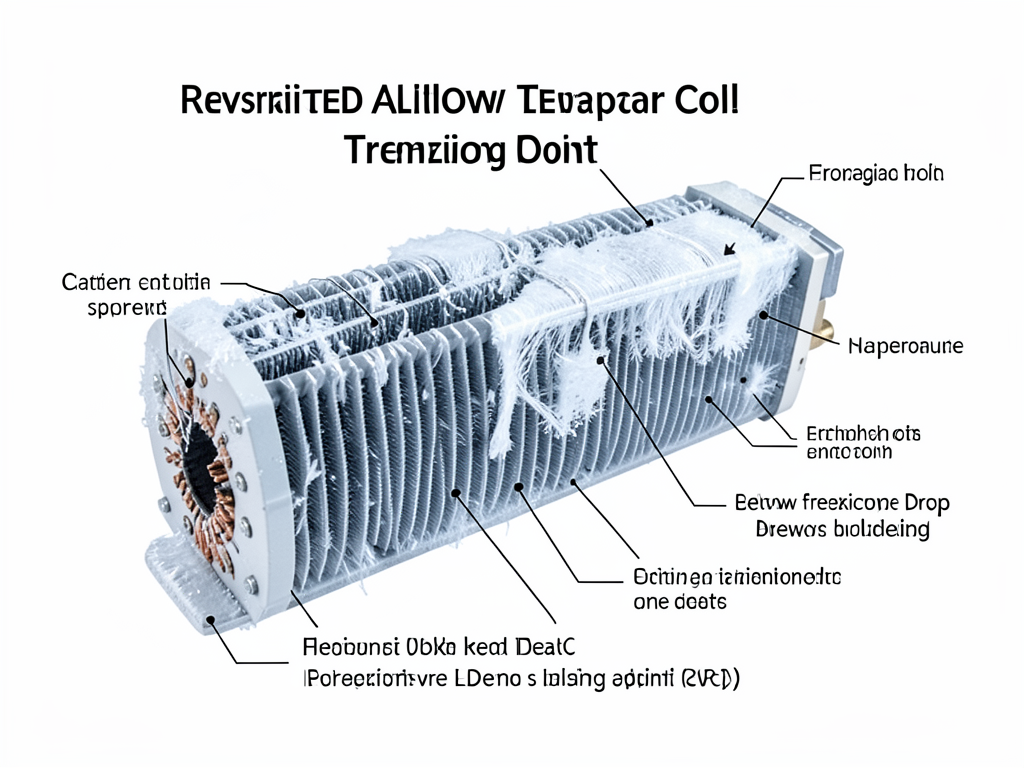
Diagram showing how restricted airflow causes evaporator coil temperature to drop below freezing point, creating ice buildup on the coil fins.. Read more about What to Do if Your Ballast Point AC Still Uses R-22 Refrigerant.
5 signs your AC coils are frozen
- Ice visible on the copper lines or outdoor unit
- Warm air blowing from vents despite AC running
- System running constantly without cooling the house
- Water pooling around the indoor unit when ice melts
- Unusual hissing or bubbling sounds from refrigerant lines
Don’t ignore these warning signs. A frozen coil can cause water damage to your ceiling or walls, and continuing to run the system can destroy your compressor. The compressor is the most expensive part of your AC, and replacing it often costs more than installing a new unit.
If you see ice, turn off your AC immediately. Switch your thermostat to “fan only” mode to help thaw the ice faster. This prevents water from backing up and overflowing the drain pan inside your home.. Read more about Why the AC vents in your Northview Hills house are sweating.
How to safely thaw a frozen AC coil
Thawing takes time, usually 2-4 hours depending on how much ice has built up. Never try to chip away ice with a tool. This can damage the fragile coil fins and create refrigerant leaks that make the problem worse.
Start by turning off the AC at the thermostat. Then switch the fan to “on” instead of “auto.” This keeps air moving across the coil without cooling it further. Place towels around the indoor unit to catch melting water.. Read more about Why Your AC Keeps Turning On and Off Every Few Minutes in Thonotosassa.
Check your air filter while you wait. If it’s dirty, replace it with a clean MERV 8-11 rated filter. This is often the simplest fix. Also make sure all supply and return vents are open and not blocked by furniture or curtains.
After the ice melts completely, turn the AC back on. If it runs normally for a few hours and stays ice-free, a dirty filter might have been your only problem. But if ice returns within 24 hours, you need professional diagnosis.
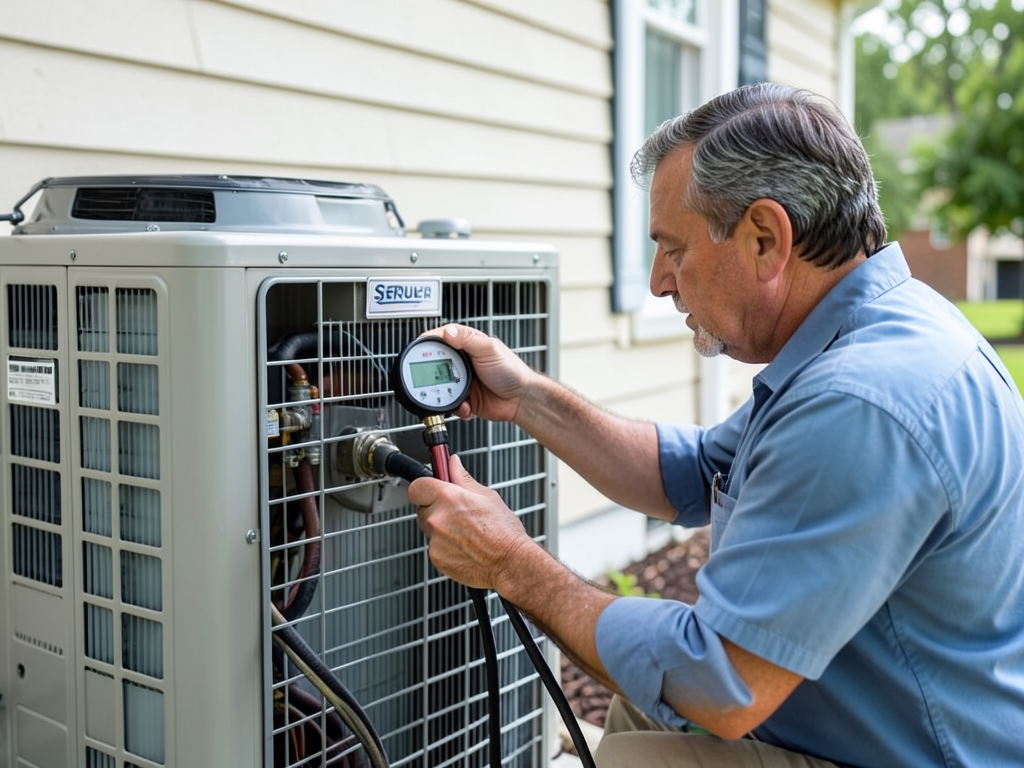
Photo of a technician using a digital manifold gauge to check refrigerant pressure on a 2-ton Ruud AC unit in a Seffner home, showing normal operating ranges.
When refrigerant leaks cause frozen coils
Low refrigerant is the second most common cause of frozen coils. Your AC system is sealed and should never need recharging. If refrigerant levels drop, you have a leak somewhere in the copper lines, coil, or connections.
Refrigerant leaks often start small. A tiny hole in a line can lose enough refrigerant over weeks to cause freezing. In Seffner’s salt-air environment, corrosion on the outdoor coil accelerates this process. The copper lines develop pinhole leaks that let refrigerant escape slowly.
Signs of a refrigerant leak include hissing sounds, oil stains on the lines, or the AC struggling to cool even when ice isn’t present. A technician will use electronic leak detectors or UV dye to find the source. EPA regulations require repairing leaks before adding more refrigerant.
According to EPA Section 608 regulations, technicians must repair leaks that exceed certain thresholds before recharging systems. This protects the environment and ensures your repair lasts. A proper refrigerant repair includes pressure testing and often replacing the affected section of line.
How Tampa humidity makes frozen coils worse
Seffner sits in Hillsborough County where summer humidity regularly exceeds 85%. This moisture-laden air puts extra stress on your AC system. The evaporator coil must remove both heat and massive amounts of water vapor from the air.
When humidity is high, the coil stays wet longer. If airflow is restricted even slightly, that moisture freezes instead of draining away. This is why frozen coils are more common in June through September when Gulf moisture is at its peak.
The problem compounds with dirty coils. Over time, dust and biological growth create an insulating layer on the coil fins. This reduces heat transfer efficiency and makes freezing more likely. Professional coil cleaning removes this buildup and restores proper operation.
According to the Florida Building Code Energy Conservation standards, proper AC maintenance includes annual coil cleaning to maintain efficiency. In our humid climate, this maintenance prevents the exact conditions that lead to frozen coils.
Preventing frozen coils in your Seffner home
Prevention starts with regular maintenance. Change your air filter every 30-60 days during cooling season. Use the right MERV rating for your system. Too high restricts airflow; too low doesn’t filter properly. How to Choose the Right New Air Conditioner for Your Westchase Home.
Schedule professional maintenance twice yearly. A technician will check refrigerant levels, clean coils, test the blower motor, and inspect the condensate drain. This catches small problems before they cause system shutdowns.
Keep vents open and unblocked. Closing too many vents creates pressure imbalances that reduce airflow across the coil. Make sure return air grilles aren’t covered by furniture or rugs.
Consider a whole-house dehumidifier if your home feels sticky even when the AC runs. This reduces the moisture load on your system and prevents the conditions that cause freezing. In Seffner’s climate, this extra step often prevents recurring problems.
Technician performing a blower motor amp draw test on a Trane air handler in a Valrico home, checking for signs of motor failure that could cause frozen coils.
When to call Peak HVAC for emergency repair
If your AC is frozen and you’ve checked the filter, it’s time for professional help. Don’t wait until your house is 85 degrees inside. The longer you run a frozen system, the more damage you risk.
Call Peak HVAC at (656) 237-5377 when you notice ice that returns after thawing, warm air from vents, or the system running constantly without cooling. We serve Seffner and surrounding areas including Brandon, Valrico, and Riverview.
Our technicians arrive with the tools and parts to diagnose the problem correctly the first time. We check refrigerant levels, test electrical components, and clean coils as needed. Most frozen coil repairs can be completed the same day.
We understand the urgency of a failing AC in July. That’s why we offer 24/7 emergency service for situations where you can’t wait. Don’t suffer through another night without cooling when help is just a phone call away. Who to Call for 24-Hour AC Service in New Tampa When the Temperature Starts Climbing.
Pick up the phone and call (656) 237-5377 today. Whether it’s a simple filter change or a refrigerant leak repair, we’ll get your system running properly so you can stay comfortable through the Florida heat.
Frequently Asked Questions
Can I keep running my AC if I see ice on it?
No. Running a frozen AC can damage the compressor. Turn it off immediately and switch to fan-only mode to thaw the ice safely.
How long does it take for AC ice to melt completely?
Most frozen coils take 2-4 hours to thaw completely. Using fan-only mode speeds up the process by circulating air across the coil.
Will a dirty filter always cause frozen coils?
Not always, but it’s the most common cause. Restricted airflow from a dirty filter is often the final trigger that causes freezing in an already stressed system.
How much does it cost to repair a frozen AC coil?
Costs vary based on the cause. A simple filter change is free if you do it yourself. Refrigerant recharge typically costs $200-500. Coil cleaning runs $150-300. Major repairs like compressor replacement can exceed $2,000.
Should I turn off the AC breaker or just the thermostat?
Turning off the thermostat is sufficient for most frozen coil situations. Only turn off the breaker if you suspect electrical issues or if the system won’t shut off with the thermostat. Troubleshooting AC Issues.
{
“@context”: “https://schema.org”,
“@type”: “BlogPosting”,
“headline”: “Why ice is forming on your Seffner air conditioner even in the middle of summer”,
“description”: “Ice on your Seffner AC in July? Learn the 5 common causes of frozen coils, how to thaw your system safely, and when to call Peak HVAC for emergency repair.”,
“wordCount”: 1554,
“datePublished”: “2026-03-25T15:17:00.000Z”,
“dateModified”: “2026-03-25T15:17:00.000Z”,
“inLanguage”: “en-US”,
“mainEntityOfPage”: {
“@type”: “WebPage”,
“@id”: “https://peakhvactampa.com”
},
“publisher”: {
“@type”: “LocalBusiness”,
“name”: “Peak HVAC Tampa”,
“url”: “https://peakhvactampa.com”
},
“author”: {
“@type”: “Organization”,
“name”: “Peak HVAC Tampa”,
“url”: “https://peakhvactampa.com”
},
“image”: {
“@type”: “ImageObject”,
“url”: “https://peakhvactampa.com/wp-content/uploads/2026/03/why-ice-is-forming-on-your-seffner-air-conditioner-1.png”
}
}
{
“@context”: “https://schema.org”,
“@type”: “HVACBusiness”,
“name”: “Peak HVAC Tampa”,
“url”: “https://peakhvactampa.com”,
“address”: {
“@type”: “PostalAddress”,
“addressLocality”: “Tampa”
},
“areaServed”: {
“@type”: “City”,
“name”: “Tampa”
}
}
{
“@context”: “https://schema.org”,
“@type”: “FAQPage”,
“mainEntity”: [
{
“@type”: “Question”,
“name”: “Can I keep running my AC if I see ice on it?”,
“acceptedAnswer”: {
“@type”: “Answer”,
“text”: “No. Running a frozen AC can damage the compressor. Turn it off immediately and switch to fan-only mode to thaw the ice safely.”
}
},
{
“@type”: “Question”,
“name”: “How long does it take for AC ice to melt completely?”,
“acceptedAnswer”: {
“@type”: “Answer”,
“text”: “Most frozen coils take 2-4 hours to thaw completely. Using fan-only mode speeds up the process by circulating air across the coil.”
}
},
{
“@type”: “Question”,
“name”: “Will a dirty filter always cause frozen coils?”,
“acceptedAnswer”: {
“@type”: “Answer”,
“text”: “Not always, but it’s the most common cause. Restricted airflow from a dirty filter is often the final trigger that causes freezing in an already stressed system.”
}
},
{
“@type”: “Question”,
“name”: “How much does it cost to repair a frozen AC coil?”,
“acceptedAnswer”: {
“@type”: “Answer”,
“text”: “Costs vary based on the cause. A simple filter change is free if you do it yourself. Refrigerant recharge typically costs $200-500. Coil cleaning runs $150-300. Major repairs like compressor replacement can exceed $2,000.”
}
},
{
“@type”: “Question”,
“name”: “Should I turn off the AC breaker or just the thermostat?”,
“acceptedAnswer”: {
“@type”: “Answer”,
“text”: “Turning off the thermostat is sufficient for most frozen coil situations. Only turn off the breaker if you suspect electrical issues or if the system won’t shut off with the thermostat. Troubleshooting AC Issues.”
}
}
]
}
{
“@context”: “https://schema.org”,
“@type”: “BreadcrumbList”,
“itemListElement”: [
{
“@type”: “ListItem”,
“position”: 1,
“name”: “Home”,
“item”: “https://peakhvactampa.com”
},
{
“@type”: “ListItem”,
“position”: 2,
“name”: “Blog”,
“item”: “https://peakhvactampa.com/blog”
},
{
“@type”: “ListItem”,
“position”: 3,
“name”: “Why ice is forming on your Seffner air conditioner even in the middle of summer”
}
]
}
{
“@context”: “https://schema.org”,
“@type”: “Service”,
“serviceType”: “HVAC”,
“provider”: {
“@type”: “LocalBusiness”,
“name”: “Peak HVAC Tampa”,
“url”: “https://peakhvactampa.com”
},
“areaServed”: {
“@type”: “City”,
“name”: “Tampa”
},
“description”: “Ice on your Seffner AC in July? Learn the 5 common causes of frozen coils, how to thaw your system safely, and when to call Peak HVAC for emergency repair.”
}