
Why some rooms in your Tampa Palms house feel stuffy while others are freezing
Living in Tampa Palms means dealing with Florida’s intense heat and humidity, but that doesn’t mean you should suffer through rooms that feel like saunas while others feel like iceboxes. Uneven cooling is one of the most common comfort complaints we hear from homeowners in this area, and it’s usually caused by a combination of factors specific to our local climate and home construction. Florida Building Code.
The good news is that most uneven cooling problems have identifiable causes and solutions. Before you resign yourself to wearing a jacket in your living room and shorts in your bedroom, let’s explore why this happens and what you can do about it.
Quick diagnostic checklist for uneven cooling
Before diving into complex solutions, run through these simple checks that often solve the problem:
- Check air filters
Dirty filters restrict airflow and can cause some rooms to receive less conditioned air than others. Replace filters if they’re clogged or haven’t been changed in over 60 days.
- Inspect supply vents
Make sure all vents are fully open and not blocked by furniture, curtains, or rugs. Even partially closed vents can create significant pressure imbalances.. Read more about Why the AC vents in your Northview Hills house are sweating.
- Test thermostat accuracy
Place a separate thermometer near your thermostat to verify it’s reading correctly. A thermostat in direct sunlight or near a heat source will misread the actual room temperature. EPA HVAC guidelines.
- Check return air pathways
Ensure return air grilles aren’t blocked and that doors to rooms with closed supply vents can still allow air to return to the system.
Tampa-specific factors that affect cooling balance
The Tampa Palms area presents unique challenges for maintaining even temperatures throughout a home. Our subtropical climate means dealing with both extreme heat and high humidity, which affects how your air conditioning system performs.
Florida’s Building Code (FBC) Energy Conservation requirements mandate specific insulation levels and duct sealing standards, but many homes in Tampa Palms were built before these codes were strictly enforced. This means your ductwork might be leaking conditioned air into your attic before it ever reaches certain rooms.. Read more about Professional Duct Sealing for the Mid-Century Ranch Homes of Sunset Park.
Another local factor is the prevalence of concrete block construction in many Tampa Palms homes. These solid walls absorb and retain heat differently than wood-frame construction, creating thermal mass that can make some rooms feel warmer even when the air temperature is the same.
The orientation of your home also matters significantly in our area. West-facing rooms in Tampa Palms often become heat traps during afternoon sun exposure, while north-facing rooms stay cooler. This solar heat gain can create temperature differences of 8-12 degrees between rooms facing different directions.
Technical causes of uneven cooling
When simple fixes don’t solve the problem, the issue often lies in your system’s design or operation. Here are the most common technical culprits we find during professional diagnostics:
Improper system sizing is surprisingly common in Tampa Palms. Many homes have air conditioners that are either too large or too small for the actual cooling load. An oversized unit short-cycles, meaning it turns on and off frequently without running long enough to properly dehumidify and distribute air. A unit that’s too small runs constantly but can’t keep up with demand.
Ductwork design flaws create pressure imbalances that force more air to certain areas while starving others. This often happens when supply runs are too long, too small, or have too many bends. In concrete block homes common to Tampa Palms, retrofitting proper ductwork can be challenging, leading to compromises that affect performance.
Blower motor issues can significantly impact airflow distribution. A failing blower motor may not generate enough static pressure to push air through all ducts equally. We often find that motors in 10+ year old systems have lost 20-30% of their original capacity.
Refrigerant charge problems affect the system’s ability to cool effectively. Low refrigerant reduces cooling capacity and can cause the evaporator coil to freeze, blocking airflow to certain zones. This is particularly problematic in our humid climate where proper refrigerant levels are critical for both cooling and dehumidification.
Advanced solutions for stubborn hot and cold spots
When basic troubleshooting fails, these solutions can address more complex airflow problems: Troubleshooting AC Issues.
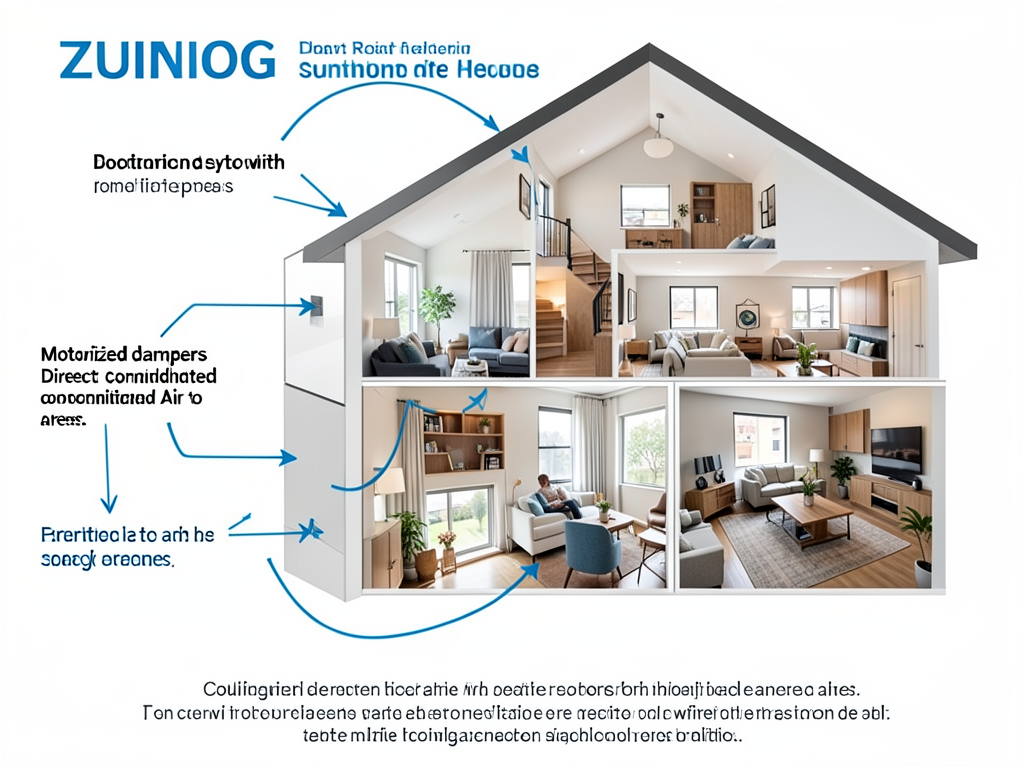
HVAC zoning systems allow you to control temperatures independently in different areas of your home. These systems use motorized dampers in your ductwork and multiple thermostats to direct conditioned air where it’s needed most. For multi-story homes in Tampa Palms, zoning can be a game-changer for comfort.
Duct sealing and insulation using products like AeroSeal can dramatically improve system performance. This process involves pressurizing your duct system and using polymer particles to seal leaks from the inside out. In Florida’s humid climate, preventing attic air from mixing with conditioned air is crucial for both comfort and energy efficiency.
Variable-speed air handlers provide more consistent airflow and better humidity control than single-speed units. These systems can ramp up or down based on demand, maintaining more even temperatures throughout your home while using less energy.
Whole-home dehumidification addresses the unique challenge of Florida’s climate. Standard AC units are designed to remove some moisture, but dedicated dehumidifiers can maintain optimal humidity levels (45-55%) even when cooling isn’t actively needed. This prevents that sticky feeling that makes rooms feel warmer than they actually are.
Common temperature variances in Tampa homes
| Problem Type | Typical Temperature Difference | Primary Cause | Quick Fix Potential |
|---|---|---|---|
| Blocked vents | 5-8°F | Restricted airflow | High |
| Leaky ducts | 8-12°F | Air loss in attic | Medium |
| Improper sizing | 10-15°F | System capacity mismatch | Low |
| Solar heat gain | 6-10°F | Window exposure | Medium |
| Humidity imbalance | 4-7°F (perceived) | Moisture levels | Medium |
Energy efficiency gains after balancing
| Improvement Made | Typical Energy Savings | Payback Period | Comfort Improvement |
|---|---|---|---|
| Duct sealing | 15-25% | 2-3 years | High |
| System zoning | 20-30% | 3-4 years | Very High |
| Blower upgrade | 10-15% | 3-5 years | Medium |
| Dehumidification | 5-10% | 4-6 years | High |
Professional diagnostic process
When you call a professional to diagnose uneven cooling, here’s what the process typically involves:
First, we perform a Manual J load calculation to verify your system is properly sized for your home. This calculation considers square footage, insulation levels, window orientation, and local climate data specific to the Tampa Palms area. Many homes in our region have systems that are 30-50% off from optimal sizing.
Next, we use a manometer to measure static pressure throughout your duct system. This diagnostic tool helps identify restrictions, leaks, or design flaws that aren’t visible to the naked eye. High static pressure readings often indicate ductwork that’s too small or has excessive bends.
We also check refrigerant charge levels using superheat and subcooling measurements. In Florida’s high-heat environment, even slightly low refrigerant can cause significant cooling capacity loss and uneven temperature distribution.
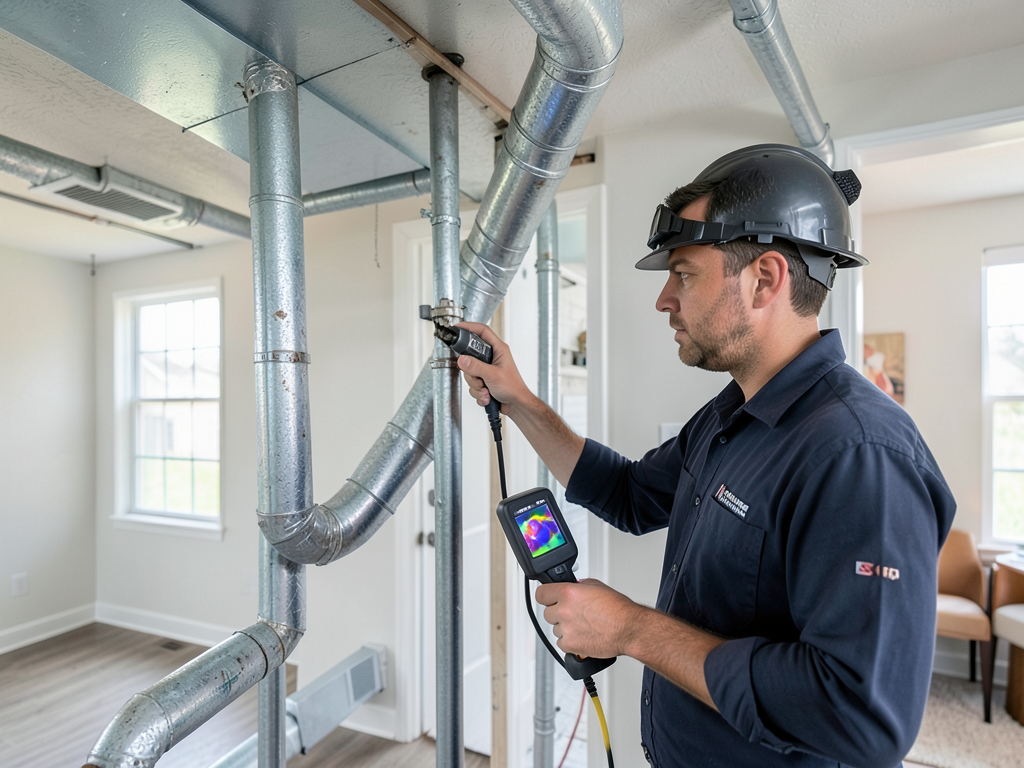
Finally, we use an infrared camera to scan your ductwork and identify leaks, poor insulation, or areas where conditioned air is escaping before reaching its destination. This visual inspection often reveals problems that traditional testing might miss.
DIY improvements you can make today
While some problems require professional help, these steps can often improve your home’s cooling balance:
- Install ceiling fans to improve air circulation. Even a gentle breeze can make a room feel 4-5 degrees cooler.
- Use thermal curtains or reflective window film on west-facing windows to reduce solar heat gain.
- Seal attic access points and ensure proper insulation levels (R-30 minimum in our climate zone).
- Install smart thermostats with remote sensors to get accurate readings from problem areas.
- Consider mini-split systems for rooms that never seem to get enough conditioned air from your central system.
When to call a professional
Call for professional help if you notice these warning signs:
- Temperature differences greater than 8-10 degrees between rooms
- System running constantly but never reaching set temperature
- Unusual noises from air handler or ductwork
- Ice formation on refrigerant lines or evaporator coil
- Utility bills increasing without explanation
Professional diagnosis is especially important in Tampa Palms where our unique climate and construction methods create specific challenges that require local expertise to solve properly.
Frequently Asked Questions
Why is my bedroom always hotter than my living room?
Bedrooms often have fewer supply vents and are typically located further from the air handler, resulting in less airflow. Additionally, bedrooms accumulate more heat from electronics, lighting, and body heat, making temperature differences more noticeable.
Can a bigger air conditioner solve my hot room problem?
Not necessarily. An oversized unit can actually make the problem worse by short-cycling and failing to properly dehumidify. The issue is usually related to airflow distribution rather than cooling capacity.
How much does it cost to fix uneven cooling?
Costs vary widely depending on the cause. Simple fixes like vent adjustments might cost under $200, while comprehensive duct replacement or system zoning can range from $3,000 to $8,000. A professional diagnosis typically costs $150-300 and is worth it to identify the exact cause.
Will closing vents in unused rooms help balance temperatures?
No, this often makes the problem worse by creating pressure imbalances in your duct system. Your HVAC system is designed to move a specific amount of air, and closing vents disrupts this balance.
How often should I have my ductwork inspected?
In Florida’s humid climate, we recommend professional duct inspection every 3-5 years. Duct leaks can develop quickly due to temperature fluctuations and humidity, especially in older homes common to the Tampa Palms area.
[IMAGE_PLACEHOLDER_3>
Don’t let uneven cooling ruin your comfort in Tampa Palms. Whether you need a simple vent adjustment or a complete system evaluation, professional help is just a phone call away. Call (656) 237-5377 today to schedule your cooling system inspection and take the first step toward consistent comfort throughout your home.
Pick up the phone and call (656) 237-5377 before the next heat wave hits. Our local technicians understand the unique challenges of keeping Tampa Palms homes comfortable year-round, and we’re ready to help you solve your hot and cold spot problems for good.
You may also find this helpful. How to tell if your Gibsonton home has a hidden air duct leak.
You may also find this helpful. Why you see condensation on the windows of your Wellswood home.
You may also find this helpful. How to Stop Your Luxury Closet from Getting Musty in Swann Estates.
{
“@context”: “https://schema.org”,
“@type”: “BlogPosting”,
“headline”: “Why some rooms in your Tampa Palms house feel stuffy while others are freezing”,
“description”: “Discover why your Tampa Palms home has hot and cold spots. Learn about ductwork issues, humidity effects, and solutions to fix uneven cooling in Florida’s climate.”,
“wordCount”: 1647,
“datePublished”: “2026-03-30T12:46:00.000Z”,
“dateModified”: “2026-03-30T12:46:00.000Z”,
“inLanguage”: “en-US”,
“mainEntityOfPage”: {
“@type”: “WebPage”,
“@id”: “https://peakhvactampa.com”
},
“publisher”: {
“@type”: “LocalBusiness”,
“name”: “Peak HVAC Tampa”,
“url”: “https://peakhvactampa.com”
},
“author”: {
“@type”: “Organization”,
“name”: “Peak HVAC Tampa”,
“url”: “https://peakhvactampa.com”
},
“image”: {
“@type”: “ImageObject”,
“url”: “https://peakhvactampa.com/wp-content/uploads/2026/03/why-some-rooms-in-your-tampa-palms-house-feel-stuf-1.png”
}
}
{
“@context”: “https://schema.org”,
“@type”: “HVACBusiness”,
“name”: “Peak HVAC Tampa”,
“url”: “https://peakhvactampa.com”,
“address”: {
“@type”: “PostalAddress”,
“addressLocality”: “Tampa”
},
“areaServed”: {
“@type”: “City”,
“name”: “Tampa”
}
}
{
“@context”: “https://schema.org”,
“@type”: “FAQPage”,
“mainEntity”: [
{
“@type”: “Question”,
“name”: “Why is my bedroom always hotter than my living room?”,
“acceptedAnswer”: {
“@type”: “Answer”,
“text”: “Bedrooms often have fewer supply vents and are typically located further from the air handler, resulting in less airflow. Additionally, bedrooms accumulate more heat from electronics, lighting, and body heat, making temperature differences more noticeable.”
}
},
{
“@type”: “Question”,
“name”: “Can a bigger air conditioner solve my hot room problem?”,
“acceptedAnswer”: {
“@type”: “Answer”,
“text”: “Not necessarily. An oversized unit can actually make the problem worse by short-cycling and failing to properly dehumidify. The issue is usually related to airflow distribution rather than cooling capacity.”
}
},
{
“@type”: “Question”,
“name”: “How much does it cost to fix uneven cooling?”,
“acceptedAnswer”: {
“@type”: “Answer”,
“text”: “Costs vary widely depending on the cause. Simple fixes like vent adjustments might cost under $200, while comprehensive duct replacement or system zoning can range from $3,000 to $8,000. A professional diagnosis typically costs $150-300 and is worth it to identify the exact cause.”
}
},
{
“@type”: “Question”,
“name”: “Will closing vents in unused rooms help balance temperatures?”,
“acceptedAnswer”: {
“@type”: “Answer”,
“text”: “No, this often makes the problem worse by creating pressure imbalances in your duct system. Your HVAC system is designed to move a specific amount of air, and closing vents disrupts this balance.”
}
},
{
“@type”: “Question”,
“name”: “How often should I have my ductwork inspected?”,
“acceptedAnswer”: {
“@type”: “Answer”,
“text”: “In Florida’s humid climate, we recommend professional duct inspection every 3-5 years. Duct leaks can develop quickly due to temperature fluctuations and humidity, especially in older homes common to the Tampa Palms area.”
}
}
]
}
{
“@context”: “https://schema.org”,
“@type”: “HowTo”,
“name”: “Quick Cooling Diagnostics”,
“step”: [
{
“@type”: “HowToStep”,
“position”: 1,
“name”: “Check air filters”,
“text”: “Dirty filters restrict airflow and can cause some rooms to receive less conditioned air than others. Replace filters if they’re clogged or haven’t been changed in over 60 days.”
},
{
“@type”: “HowToStep”,
“position”: 2,
“name”: “Inspect supply vents”,
“text”: “Make sure all vents are fully open and not blocked by furniture, curtains, or rugs. Even partially closed vents can create significant pressure imbalances.”
},
{
“@type”: “HowToStep”,
“position”: 3,
“name”: “Test thermostat accuracy”,
“text”: “Place a separate thermometer near your thermostat to verify it’s reading correctly. A thermostat in direct sunlight or near a heat source will misread the actual room temperature. EPA HVAC guidelines.”
},
{
“@type”: “HowToStep”,
“position”: 4,
“name”: “Check return air pathways”,
“text”: “Ensure return air grilles aren’t blocked and that doors to rooms with closed supply vents can still allow air to return to the system.”
}
],
“image”: “https://peakhvactampa.com/wp-content/uploads/2026/03/why-some-rooms-in-your-tampa-palms-house-feel-stuf-1.png”
}
{
“@context”: “https://schema.org”,
“@type”: “BreadcrumbList”,
“itemListElement”: [
{
“@type”: “ListItem”,
“position”: 1,
“name”: “Home”,
“item”: “https://peakhvactampa.com”
},
{
“@type”: “ListItem”,
“position”: 2,
“name”: “Blog”,
“item”: “https://peakhvactampa.com/blog”
},
{
“@type”: “ListItem”,
“position”: 3,
“name”: “Why some rooms in your Tampa Palms house feel stuffy while others are freezing”
}
]
}
{
“@context”: “https://schema.org”,
“@type”: “Service”,
“serviceType”: “HVAC”,
“provider”: {
“@type”: “LocalBusiness”,
“name”: “Peak HVAC Tampa”,
“url”: “https://peakhvactampa.com”
},
“areaServed”: {
“@type”: “City”,
“name”: “Tampa”
},
“description”: “Discover why your Tampa Palms home has hot and cold spots. Learn about ductwork issues, humidity effects, and solutions to fix uneven cooling in Florida’s climate.”
}