
The most common reasons for a sudden spike in your Wimauma electric bill
Living in Wimauma means dealing with Florida’s intense heat and humidity for most of the year. When your electric bill suddenly jumps, your HVAC system is often the culprit. Before you panic about a failing unit, let’s walk through the most common causes and how to diagnose them yourself. Florida Building Code insulation requirements.
Why your Wimauma home might be using more electricity than normal
Florida’s climate creates unique challenges for air conditioning systems. The combination of high temperatures and humidity means your AC runs longer cycles just to maintain comfort. When something goes wrong inside that system, your energy consumption can spike dramatically without you even noticing.
Start by checking your TECO bill for any rate changes or peak-hour usage patterns. Sometimes the utility company adjusts pricing structures, but more often, a mechanical issue in your HVAC system is driving those higher costs.. Read more about What to check when your Drew Park air conditioner fan just won’t stop running.
Immediate DIY checks: The low-hanging fruit
Before calling a professional, run through these simple diagnostic steps. They take less than 15 minutes and might save you a service call. Who to Call for 24-Hour AC Service in New Tampa When the Temperature Starts Climbing.
- Check your air filter
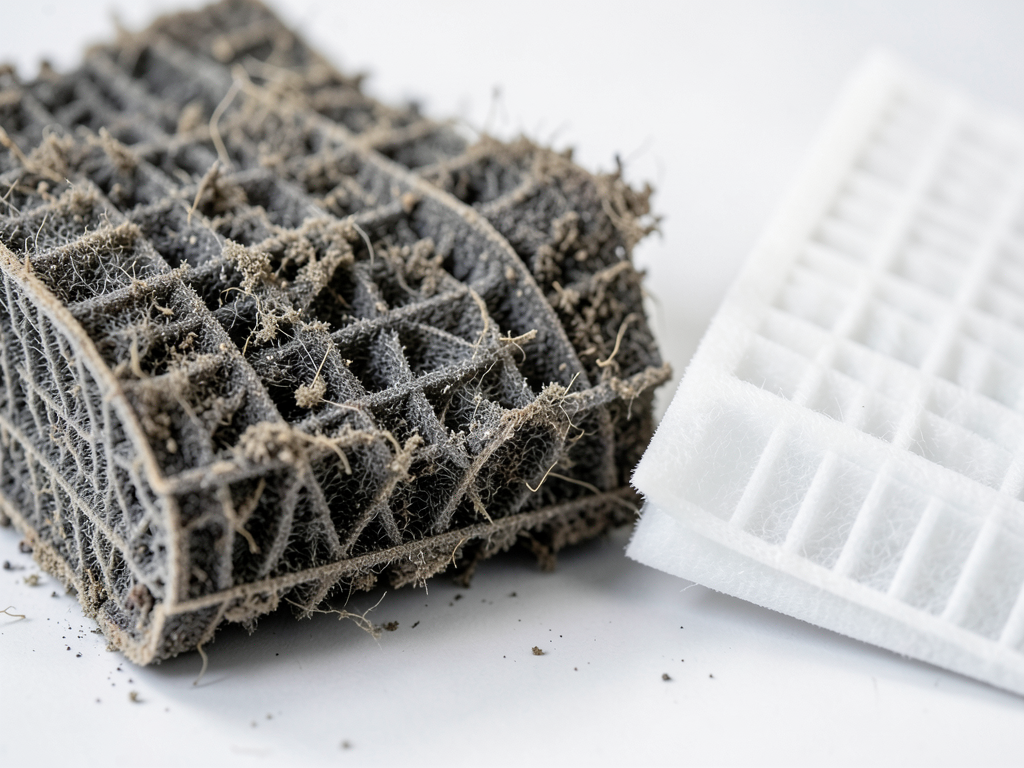
A clogged filter forces your system to work harder, drawing more amps and running longer cycles. Replace it if it’s dirty or hasn’t been changed in over 60 days.
- Verify thermostat settings
Ensure the thermostat isn’t set to “emergency heat” or an unusually low temperature. Compare the set temperature to the actual room temperature reading.
- Inspect the outdoor condenser unit
Walk outside and look at your AC’s condenser. Remove any leaves, grass clippings, or debris blocking the coils. Check that the unit is level and not sinking into sandy Wimauma soil.
- Test the condensate drain
Find the PVC drain line near your indoor unit. If water isn’t dripping when the AC runs, the drain might be clogged, causing the system to shut down prematurely.
Image Placeholder 1: Close-up photo showing a dirty HVAC air filter completely clogged with dust next to a clean filter, demonstrating the dramatic difference in airflow restriction.
The hidden HVAC culprits driving up your bill
If basic maintenance doesn’t solve the problem, you might have one of these common mechanical issues. Each of these problems causes your system to draw more power while cooling less effectively. Troubleshooting AC Issues.
Low refrigerant levels: The silent efficiency killer
When refrigerant drops below the manufacturer’s specified level, your AC can’t transfer heat efficiently. The compressor runs longer cycles trying to reach the thermostat setting, drawing significantly more electricity. You might hear the system running constantly without ever achieving the desired temperature.. Read more about How to know if your Lowry Park AC is actually low on refrigerant.
Refrigerant doesn’t get “used up” like fuel. If levels are low, you have a leak somewhere in the system. Common leak points in Florida include the indoor coil (corroded by salt air), the outdoor coil (damaged by lawn equipment), or the line set connections.. Read more about What to Do if Your Ballast Point AC Still Uses R-22 Refrigerant.
Dirty evaporator coils: The humidity trap
Florida’s humidity creates a perfect environment for mold and mildew growth on evaporator coils. When these coils get coated with biofilm, they can’t absorb heat effectively. Your system runs longer to remove the same amount of heat, and worse, it struggles to dehumidify the air.
Check for ice buildup on the copper lines near the indoor unit. This indicates restricted airflow or low refrigerant, both of which force the system to work overtime.
Capacitor failure: The hard-starting compressor
Capacitors provide the electrical boost needed to start motors. When they begin failing, you might hear a clicking sound from your outdoor unit as the compressor struggles to start. The system may shut down on thermal overload, then try again minutes later.
A failing capacitor causes the compressor to draw excessive current during startup, increasing your electric bill even when the system isn’t cooling effectively. This is especially common in older units exposed to Wimauma’s lightning storms and power fluctuations.
Image Placeholder 2: Technician using a multimeter to test an HVAC capacitor, showing the diagnostic process for checking electrical components that affect system efficiency.
The Tampa-specific variable: Humidity control
Florida’s climate creates a unique challenge that many HVAC systems aren’t properly sized to handle. The sensible heat load (temperature) and latent heat load (humidity) require different approaches to cooling.
When your system is too large for your home, it cools the air quickly but doesn’t run long enough to remove moisture. This causes short cycling, where the compressor turns on and off frequently. Each startup draws a power surge, and the constant cycling prevents proper dehumidification.
Look for these signs of short cycling:
- The outdoor unit turns on and off every few minutes
- Your home feels clammy despite cool air coming from vents
- The thermostat shows frequent temperature swings
Modern SEER2-rated systems include enhanced dehumidification modes, but many older units in Wimauma homes struggle with our unique climate demands. The system might be working exactly as designed, but it’s simply not equipped for Florida’s moisture levels.
Non-HVAC factors to consider
Sometimes the spike isn’t coming from your air conditioner at all. Consider these other common causes of high electricity usage in Florida homes.. Read more about How to tell if your Plant City air conditioner is finally on its last legs.
Attic insulation and thermal bypass
Florida Building Code requires R-30 insulation in attics, but many older Wimauma homes have less. When attic temperatures reach 140°F in summer, your ceiling becomes a heat source. Your AC works overtime trying to cool air that’s constantly being reheated from above.
Check your attic access. If you see the ceiling joists through the insulation, you likely need more. Also inspect for gaps around light fixtures, plumbing vents, and attic access panels where conditioned air escapes into the attic.. Read more about How to landscape around your Dover AC unit without choking the system.
Ductwork integrity
Leaky ducts in hot attics can waste 20-30% of your cooling output. When supply ducts leak, you’re cooling your attic instead of your living space. When return ducts leak, you’re pulling hot attic air into your system.
A simple test: feel around duct connections while the system runs. If you feel air leaking out, those connections need sealing. Look for disconnected ducts in your attic, especially around sharp bends where vibration causes separation.. Read more about Professional Duct Sealing for the Mid-Century Ranch Homes of Sunset Park.
TECO rate structures and peak usage
Tampa Electric’s residential rates include tiered pricing. As your usage increases, you pay a higher rate per kilowatt-hour. If your AC is running constantly due to any of the issues above, you might cross into a higher pricing tier without realizing it. Tampa Electric (TECO) rate structures.
Check your TECO bill for “on-peak” versus “off-peak” usage. Running major appliances during peak hours (typically 1-7 PM on weekdays) costs significantly more. Your AC running during these hours compounds the expense.
Image Placeholder 3: Side-by-side comparison showing a properly sealed HVAC duct connection versus a leaking connection, with thermal imaging overlay demonstrating heat loss in the leaking example.
When to call a professional
Some problems require specialized tools and training to diagnose correctly. Here’s when to pick up the phone and call (656) 237-5377 for professional help.
Safety first: Never open electrical panels or attempt to handle refrigerant yourself. These components require EPA certification and proper safety equipment.
Call a professional if you notice:
- Ice buildup on refrigerant lines or coils
- Strange noises from the outdoor unit (grinding, squealing, clicking)
- The system runs constantly but never reaches set temperature
- Water pooling around the indoor unit
- Tripped breakers when the AC starts
The return on investment for a professional tune-up often pays for itself within one or two billing cycles if your system has been struggling. A technician can measure amp draws, check superheat and subcooling levels, and identify issues that aren’t visible to the untrained eye.
Preventive maintenance: Your best defense against high bills
Most sudden spikes in electric bills are preventable with regular maintenance. Florida’s climate demands more frequent service than cooler regions.. Read more about Is a Yearly Maintenance Plan Actually Worth the Money for Sun City Center Seniors?.
Schedule professional maintenance twice yearly:
- Spring: Before cooling season begins
- Fall: After heavy usage but before humidity drops
Between professional visits, replace your air filter every 30-60 days, keep the area around your outdoor unit clear, and monitor your system’s performance. If cooling cycles seem longer than normal or your home feels more humid than usual, those are early warning signs.
Wimauma’s sandy soil can cause outdoor units to shift over time, affecting refrigerant line integrity and condenser coil alignment. Check that your unit remains level and hasn’t settled unevenly.
Frequently Asked Questions
How much should my electric bill increase in summer versus winter?
In Wimauma, expect your summer electric bill to be 2-3 times higher than winter months due to AC usage. A typical 2,000-square-foot home might see bills ranging from $80-120 in winter to $200-350 in peak summer months.
Can a dirty air filter really increase my bill that much?
Yes. A clogged filter can reduce airflow by 50% or more, forcing your system to run 30-50% longer to achieve the same cooling. This directly translates to higher kilowatt-hour usage and increased wear on system components.
How do I know if my AC is the right size for my home?
A properly sized system should run 15-20 minute cycles with 5-7 minute off periods when outdoor temperatures are moderate. If your system runs constantly or cycles on and off every few minutes, it may be incorrectly sized for your home’s cooling load.
Should I turn my AC off when I’m not home to save money?
No. Turning your system completely off allows your home to heat up significantly, requiring much more energy to cool back down. Instead, raise the thermostat 4-6 degrees when away. Modern programmable thermostats can automatically adjust temperatures based on your schedule.
Call (656) 237-5377 today to schedule your inspection before the next heat wave hits. Don’t let a small problem turn into a major expense.
You may also find this helpful. How to tell if your Gibsonton home has a hidden air duct leak.
You may also find this helpful. Connecting your Westshore Marina District condo HVAC to your smart home system.
{
“@context”: “https://schema.org”,
“@type”: “BlogPosting”,
“headline”: “The most common reasons for a sudden spike in your Wimauma electric bill”,
“description”: “Is your Wimauma electric bill suddenly higher? Discover the HVAC-related causes and troubleshooting steps specific to Florida’s climate and TECO billing.”,
“wordCount”: 1620,
“datePublished”: “2026-03-27T13:12:00.000Z”,
“dateModified”: “2026-03-27T13:12:00.000Z”,
“inLanguage”: “en-US”,
“mainEntityOfPage”: {
“@type”: “WebPage”,
“@id”: “https://peakhvactampa.com”
},
“publisher”: {
“@type”: “LocalBusiness”,
“name”: “Peak HVAC Tampa”,
“url”: “https://peakhvactampa.com”
},
“author”: {
“@type”: “Organization”,
“name”: “Peak HVAC Tampa”,
“url”: “https://peakhvactampa.com”
},
“image”: {
“@type”: “ImageObject”,
“url”: “https://peakhvactampa.com/wp-content/uploads/2026/03/the-most-common-reasons-for-a-sudden-spike-in-your-1.png”
}
}
{
“@context”: “https://schema.org”,
“@type”: “HVACBusiness”,
“name”: “Peak HVAC Tampa”,
“url”: “https://peakhvactampa.com”,
“address”: {
“@type”: “PostalAddress”,
“addressLocality”: “Tampa”
},
“areaServed”: {
“@type”: “City”,
“name”: “Tampa”
}
}
{
“@context”: “https://schema.org”,
“@type”: “FAQPage”,
“mainEntity”: [
{
“@type”: “Question”,
“name”: “How much should my electric bill increase in summer versus winter?”,
“acceptedAnswer”: {
“@type”: “Answer”,
“text”: “In Wimauma, expect your summer electric bill to be 2-3 times higher than winter months due to AC usage. A typical 2,000-square-foot home might see bills ranging from $80-120 in winter to $200-350 in peak summer months.”
}
},
{
“@type”: “Question”,
“name”: “Can a dirty air filter really increase my bill that much?”,
“acceptedAnswer”: {
“@type”: “Answer”,
“text”: “Yes. A clogged filter can reduce airflow by 50% or more, forcing your system to run 30-50% longer to achieve the same cooling. This directly translates to higher kilowatt-hour usage and increased wear on system components.”
}
},
{
“@type”: “Question”,
“name”: “How do I know if my AC is the right size for my home?”,
“acceptedAnswer”: {
“@type”: “Answer”,
“text”: “A properly sized system should run 15-20 minute cycles with 5-7 minute off periods when outdoor temperatures are moderate. If your system runs constantly or cycles on and off every few minutes, it may be incorrectly sized for your home’s cooling load.”
}
},
{
“@type”: “Question”,
“name”: “Should I turn my AC off when I’m not home to save money?”,
“acceptedAnswer”: {
“@type”: “Answer”,
“text”: “No. Turning your system completely off allows your home to heat up significantly, requiring much more energy to cool back down. Instead, raise the thermostat 4-6 degrees when away. Modern programmable thermostats can automatically adjust temperatures based on your schedule.”
}
}
]
}
{
“@context”: “https://schema.org”,
“@type”: “HowTo”,
“name”: “DIY HVAC Diagnostic Checklist”,
“step”: [
{
“@type”: “HowToStep”,
“position”: 1,
“name”: “Check your air filter”,
“text”: “A clogged filter forces your system to work harder, drawing more amps and running longer cycles. Replace it if it’s dirty or hasn’t been changed in over 60 days.”
},
{
“@type”: “HowToStep”,
“position”: 2,
“name”: “Verify thermostat settings”,
“text”: “Ensure the thermostat isn’t set to \”emergency heat\” or an unusually low temperature. Compare the set temperature to the actual room temperature reading.”
},
{
“@type”: “HowToStep”,
“position”: 3,
“name”: “Inspect the outdoor condenser unit”,
“text”: “Walk outside and look at your AC’s condenser. Remove any leaves, grass clippings, or debris blocking the coils. Check that the unit is level and not sinking into sandy Wimauma soil.”
},
{
“@type”: “HowToStep”,
“position”: 4,
“name”: “Test the condensate drain”,
“text”: “Find the PVC drain line near your indoor unit. If water isn’t dripping when the AC runs, the drain might be clogged, causing the system to shut down prematurely.”
}
],
“image”: “https://peakhvactampa.com/wp-content/uploads/2026/03/the-most-common-reasons-for-a-sudden-spike-in-your-1.png”
}
{
“@context”: “https://schema.org”,
“@type”: “BreadcrumbList”,
“itemListElement”: [
{
“@type”: “ListItem”,
“position”: 1,
“name”: “Home”,
“item”: “https://peakhvactampa.com”
},
{
“@type”: “ListItem”,
“position”: 2,
“name”: “Blog”,
“item”: “https://peakhvactampa.com/blog”
},
{
“@type”: “ListItem”,
“position”: 3,
“name”: “The most common reasons for a sudden spike in your Wimauma electric bill”
}
]
}
{
“@context”: “https://schema.org”,
“@type”: “Service”,
“serviceType”: “HVAC”,
“provider”: {
“@type”: “LocalBusiness”,
“name”: “Peak HVAC Tampa”,
“url”: “https://peakhvactampa.com”
},
“areaServed”: {
“@type”: “City”,
“name”: “Tampa”
},
“description”: “Is your Wimauma electric bill suddenly higher? Discover the HVAC-related causes and troubleshooting steps specific to Florida’s climate and TECO billing.”
}